
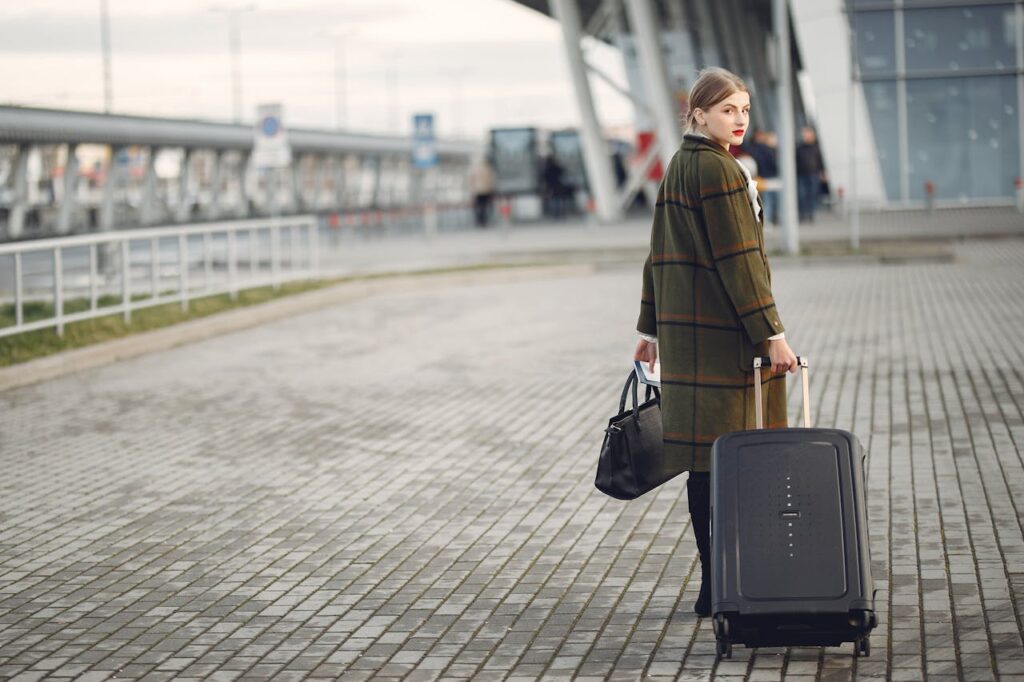
Can you travel with only a carry-on? Here is your ultimate guide to packing light and traveling smarter
The short answer is yes — and millions of seasoned travelers have discovered it’s not just possible, it’s preferable. Ditching checked baggage is one of the single biggest quality-of-life upgrades you can make to your travel routine. No more waiting at the carousel, no more baggage fees, no more praying your suitcase arrives at all. But making the switch requires a bit of know-how, the right gear, and a willingness to rethink what you actually need on the road.
This guide covers everything — from airline rules and bag selection to packing strategies and what to leave behind — so you can travel carry-on only with confidence.
Understanding Carry-On Rules
Size and Weight Limits
Before you buy a bag or fold a single shirt, you need to understand the rules. Carry-on size limits vary by airline and can catch you off guard if you’re not prepared.
Most major airlines in North America and Europe allow a carry-on bag up to approximately 22 x 14 x 9 inches (56 x 36 x 23 cm). However, budget carriers like Ryanair, Spirit, and EasyJet can be significantly more restrictive — sometimes limiting you to a bag as small as 18 x 14 x 8 inches and charging fees if your bag exceeds their personal item dimensions.
Weight limits add another layer of complexity. While U.S. airlines rarely enforce a weight limit on carry-ons, international carriers — especially in Europe and Asia — often cap carry-on weight at 7–10 kg (15–22 lbs). Always check your specific airline’s policy before packing.
Pro tip: Measure your bag when it’s full, not empty. A soft-sided bag that fits the dimensions empty may bulge beyond them when packed.
Liquids and TSA Rules
The 3-1-1 rule remains in effect for most international security checkpoints: liquids, gels, and aerosols must be in containers of 3.4 oz (100 ml) or less, all fitting into one quart-sized clear plastic bag. Solid toiletries — shampoo bars, solid deodorant, toothpaste tabs — are a game changer for carry-on travelers as they bypass these restrictions entirely.
Choosing the Right Carry-On Bag
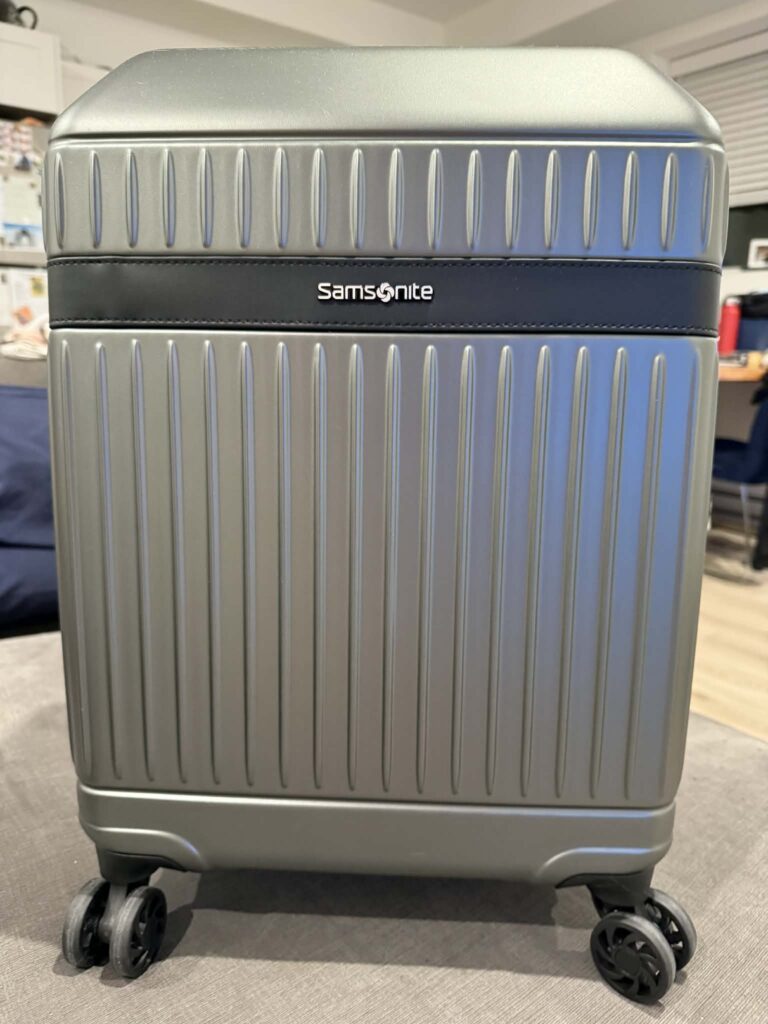
Your bag is the foundation of carry-on travel. The right choice depends on your trip length, travel style, and priorities.
Hard-Shell vs. Soft-Sided
Hard-shell suitcases offer excellent protection for fragile items and are easier to wipe clean. Their main downside is that they can’t flex to fit in a tight overhead bin.
Soft-sided bags are generally lighter and can be compressed slightly to fit in tight spaces. Many experienced carry-on travelers prefer them for their flexibility.
Backpack vs. Wheeled Luggage
A travel backpack is ideal for trips involving cobblestones, stairs, trains, and hostels — essentially anywhere you’ll be hauling your bag over uneven terrain. Wheeled carry-ons are better suited for business travel, hotel stays, and trips where you’ll mostly be rolling across smooth airport floors.
Popular choices among frequent flyers include the Away Carry-On, Osprey Farpoint, Peak Design Travel Backpack, and Tortuga Setout — all designed specifically to maximize space within airline limits.
The Art of Packing Light
Knowing how to pack is just as important as what you pack. These strategies will help you fit more in less space while keeping everything organized.
Roll, Don’t Fold
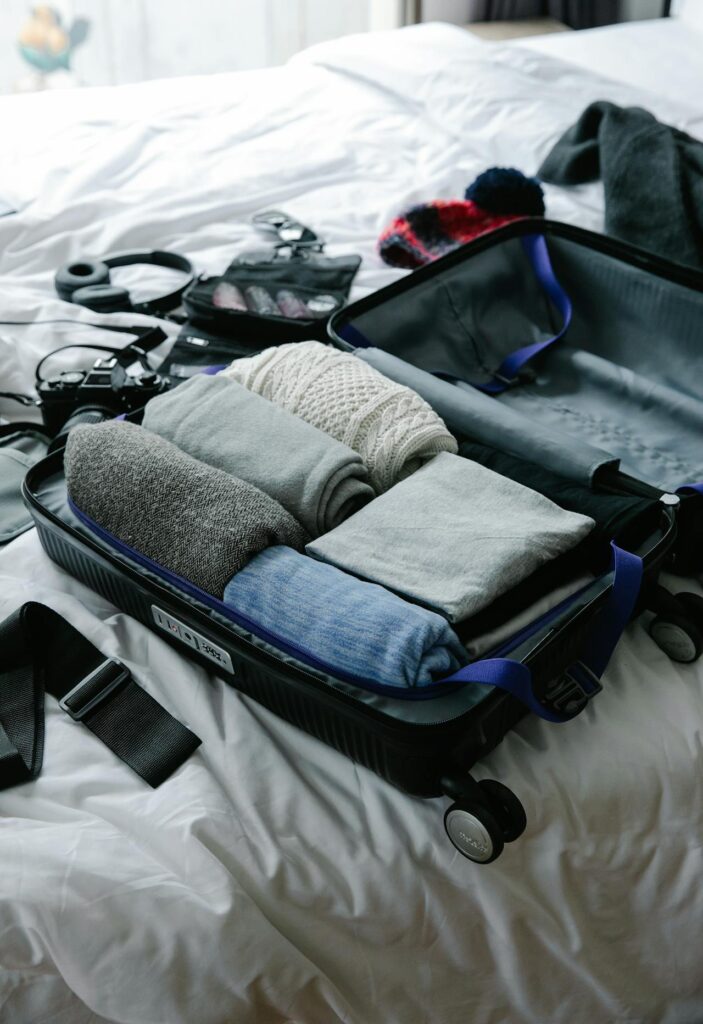
Rolling clothes instead of folding them saves space and reduces wrinkles. T-shirts, jeans, and casual clothes roll particularly well. For dress shirts and blazers, folding or using a packing folder is better. I learned this from my grandmother who was the queen of packing lots into a little suitcase.
Use Packing Cubes
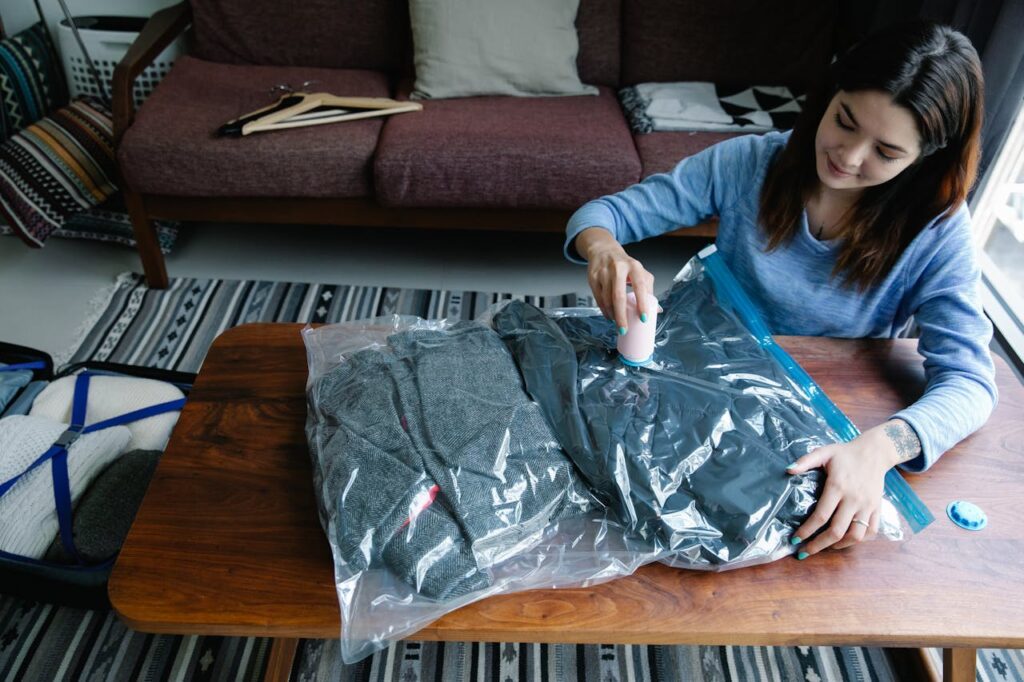
Packing cubes are rectangular fabric organizers that compress and compartmentalize your clothing. They make it easy to find items without unpacking everything, and compression cubes can squeeze out significant extra space.
The Capsule Wardrobe Approach
A capsule wardrobe is a small, versatile collection of clothes where every piece works with every other piece. For travel, this means choosing a neutral color palette and prioritizing items that can be dressed up or down. A classic formula for a 7–10 day trip:
- 3–4 tops (t-shirts, shirts, or blouses)
- 2 bottoms (pants, skirts, or shorts)
- 1 versatile dress or smart casual outfit
- 1 jacket or sweater
- 4–5 pairs of underwear and socks
- 2 pairs of shoes (wear the bulkier pair on the plane)
Plan to Do Laundry
The biggest mindset shift for carry-on travel is accepting that you’ll wash clothes on the road. Most hotels offer laundry service, and laundromats are easy to find worldwide. Many travelers do a quick sink wash of underwear and socks every few days. Merino wool and moisture-wicking fabrics are especially popular because they resist odor and dry quickly. Also laundry soap sheets are easy to pack and take zero space.
What to Leave Behind
Most overpacking comes down to fear — fear of not having the right outfit, not having enough options, not being prepared. But experienced travelers know that you almost never use half of what you pack. Common items to cut:
- “Just in case” items: extra shoes, formal wear you probably won’t wear, a second jacket
- Full-size toiletries: buy them at your destination or switch to solid/miniature versions
- Books and bulky entertainment: a Kindle holds thousands of books in the space of a passport
- Hair tools: most hotels provide hairdryers; consider if you truly need a curling iron or straightener
- Excessive tech: do you really need a laptop, tablet, and e-reader on a beach holiday?
How Long Can You Really Travel with a Carry-On?
This is the question most people ask first — and the answer might surprise you. With the right approach, there’s no real limit. Thousands of travelers do months-long or even year-long trips with only carry-on luggage. The key is not how long you’re going, but how you manage your clothing and what destinations you’re visiting.
Weekend trip (1–3 days): Extremely easy. Almost anyone can pack a weekend in a personal item or a small backpack.
One to two weeks: The sweet spot for most carry-on travelers. With a capsule wardrobe and one planned laundry session, this is very manageable.
Three weeks to one month: Doable with discipline. You’ll need to do laundry roughly twice and be ruthless about not buying souvenirs that take up space.
Long-term and indefinite travel: Absolutely possible. Nomadic travelers do this every day. The trick is buying and discarding items as needed and shipping things home if you acquire too much.
When a Carry-On Might Not Be Enough
Carry-on travel isn’t always the right choice. There are situations where a checked bag genuinely makes more sense:
- Extreme weather destinations: Ski trips, Arctic expeditions, or places requiring heavy gear often demand a checked bag
- Formal events: Weddings, galas, or business conferences with strict dress codes can be hard to pack for in a carry-on
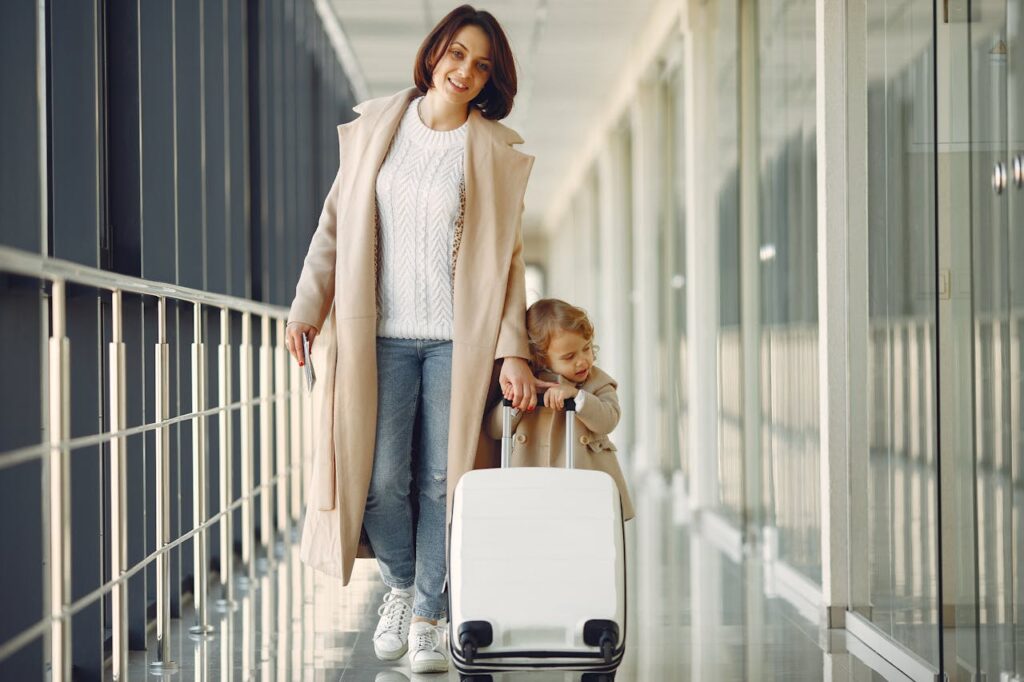
- Traveling with children: Diapers, strollers, car seats, and the sheer volume of kid gear often makes checked baggage unavoidable
- Sports equipment: Golf clubs, surfboards, and bicycles won’t fit overhead
- Medical needs: CPAP machines, medical equipment, or large quantities of medication may require extra space
Benefits of Going Carry-On Only
Still on the fence? Here’s what carry-on travelers consistently say they love most:
- Save money: Checked baggage fees range from $35–$75 per bag, per flight. On a round trip, that’s $70–$150 saved instantly
- Save time: Skip the check-in queue, skip the baggage carousel, and walk straight out of the airport on arrival
- Never lose your luggage: Airlines misplace over 4 million bags per year. If it’s with you, it can’t get lost
- More flexibility: Change flights, book last-minute connections, and hop on earlier departures without worrying about your bag
- Less stress: There’s something genuinely liberating about moving through airports and cities with just one bag on your back
- Better for the environment: Less weight on the plane means lower fuel consumption and carbon emissions
Final Thoughts
Traveling with only a carry-on is one of the most empowering habits you can develop as a traveler. It forces you to be intentional, to prioritize experiences over stuff, and to move through the world with greater freedom and ease. Yes, it takes some practice. Yes, you might forget something the first time. But once you’ve breezed through an airport with everything you need on your back and walked straight to your hotel, it’s very hard to go back.
Start with a short trip. Lay everything out, then put half of it back. You’ll be amazed at how little you actually need — and how much lighter travel can feel.
Happy travels — carry-on only.
Affiliate Disclaimer: This post may contain affiliate links, which means I may earn a small commission at no extra cost to you if you make a purchase through these links.