

From walker to stronger: What is the right exercise routine? How can we pick something that is right for us? Let’s start.
You love walking. Your doctor wants more. Here’s how to bridge the gap — on your own terms.
Walking is my jam. I walk outside. I walk on the treadmill. I’m not into “big fitness,” but according to my doctor, I need more exercise — especially weight training.
Cue the internal panic.
I’m a newbie when it comes to being exercise-aware. Every time I look around, there’s a new fitness trend shouting for attention. Asian Pilates. Yoga. Hot yoga. (Absolutely not. I tried that once and couldn’t breathe.)
I even have a gym membership I rarely use — which feels less like motivation and more like quiet judgment.
What I need isn’t the next big thing. I need something sustainable, realistic, and — dare I say — enjoyable. Because the truth is, I haven’t had much success sticking with exercise over the years, and I’m done forcing myself into routines that don’t fit.
So what actually is the smart move?
Walking Is Already a Win (Yes, Really)

If walking is your thing, you are already ahead of most people.
Walking is excellent for cardiovascular health, joint mobility, mental health, and consistency. It’s accessible, low-impact, and easy to maintain — which is why it works. The problem isn’t walking. The problem is that walking alone doesn’t build or preserve muscle mass.
That’s where your doctor is coming from.
Why Strength Training Matters (Even If You’re Not Thrilled About It)
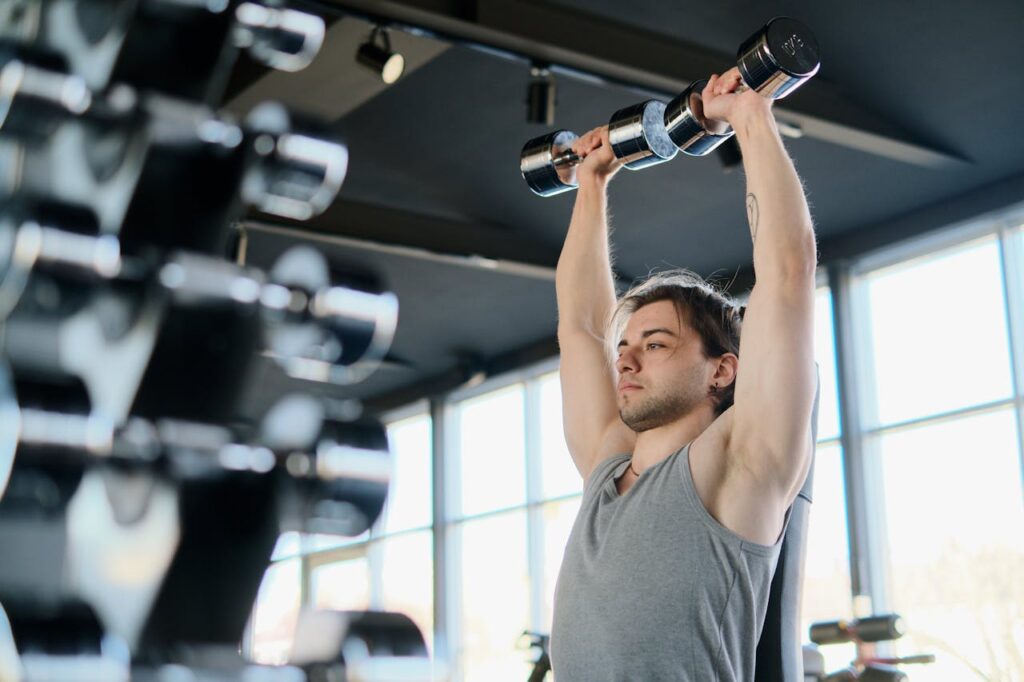
After age 30, we naturally begin losing muscle — a process called sarcopenia. Each decade, that muscle loss accelerates, affecting:
- Metabolism
- Bone density
- Balance and stability
- Joint health
- Everyday movements (like getting up off the couch without groaning)
Strength training helps slow — and even reverse — that loss. It also improves insulin sensitivity, supports bone health, and (bonus) makes walking feel easier by strengthening the muscles that support your knees, hips, and lower back.
The good news?
You don’t need to become a “gym person.”
Just two short strength sessions per week can make a meaningful difference.
Let’s Talk Fitness Trends (Without the Hype)
Asian Pilates
Often influenced by Korean or Japanese movement styles, Asian Pilates blends traditional Pilates with controlled, low-impact movement and core focus. If you enjoy walking and prefer gentler exercise, this trend is actually worth exploring. It builds functional strength without beating up your body.
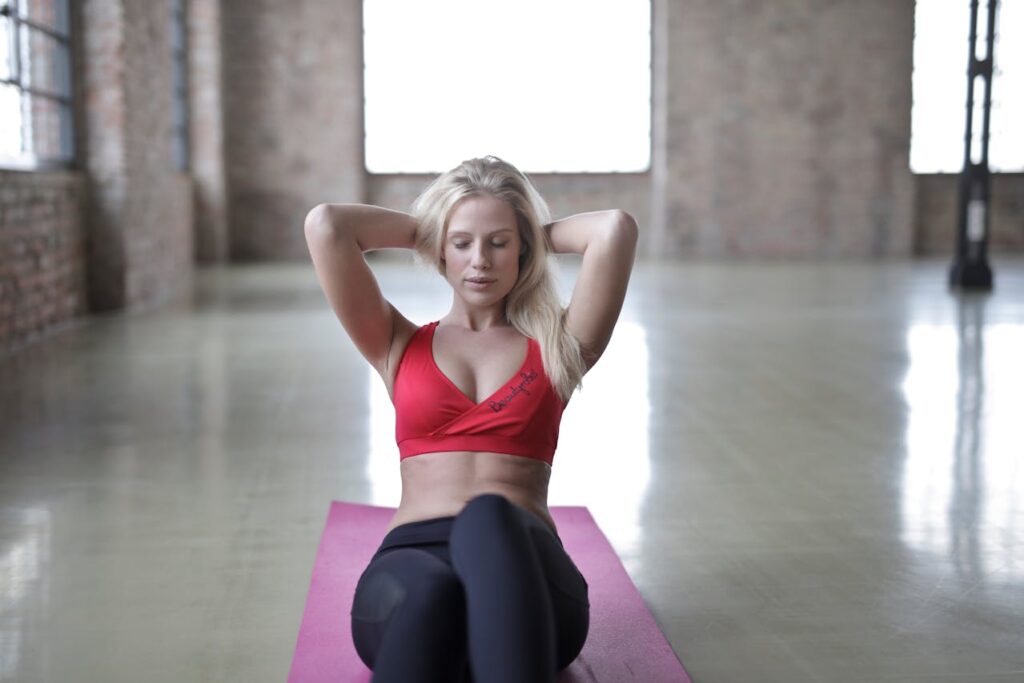
Yoga
This depends entirely on the style:
- Hatha or Yin: slow, restorative, beginner-friendly
- Vinyasa: more dynamic, sometimes strength-focused
Yoga alone isn’t ideal for building muscle, but it’s excellent for flexibility, balance, and stress reduction — all of which support long-term fitness.
Hot Yoga
Already crossed off your list? Same. Exercising in extreme heat isn’t for everyone, and knowing your limits is a strength, not a weakness.
Beginner-Friendly Strength Options That Actually Make Sense
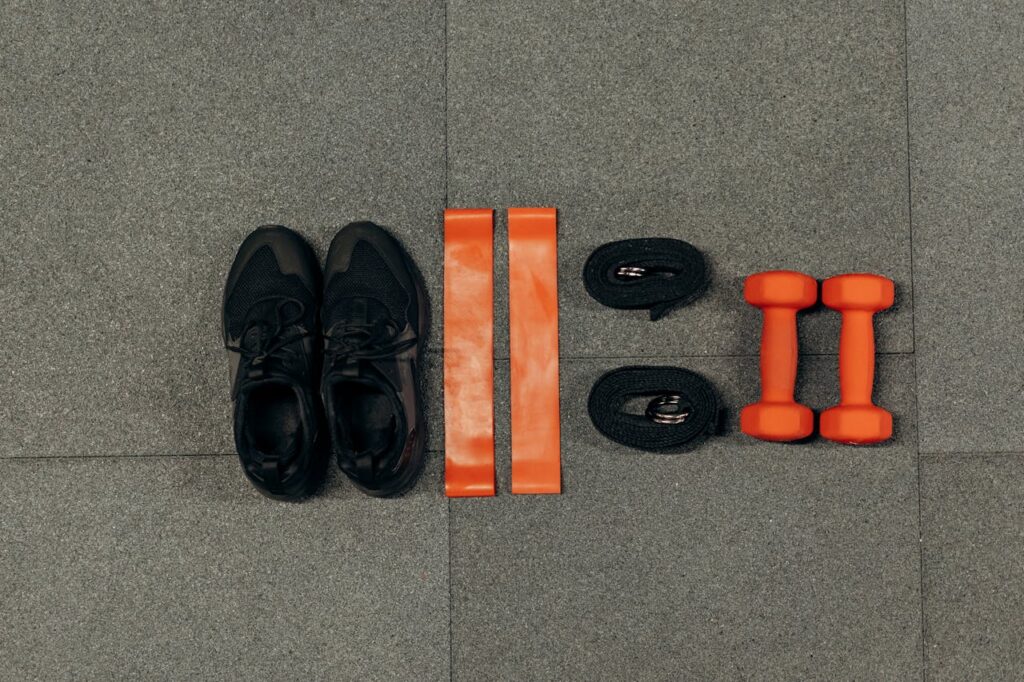
If you enjoy walking and want something sustainable, these options tend to work best:
Strength Training Machines (At the Gym)
You already pay for the gym — so let’s make it less intimidating. Weight machines are perfect for beginners because they guide your movement and reduce injury risk.
Try this:
- 30 minutes
- 2x per week
- Focus on legs, back, chest, shoulders, and arms
Many gyms offer free orientation sessions — take advantage of them.
Bodyweight Training at Home
No equipment, no commute. Squats, wall sits, glute bridges, and modified push-ups can be done in 20 minutes at home. Beginner-friendly apps and YouTube videos make it simple.
Pilates (Mat or Reformer)
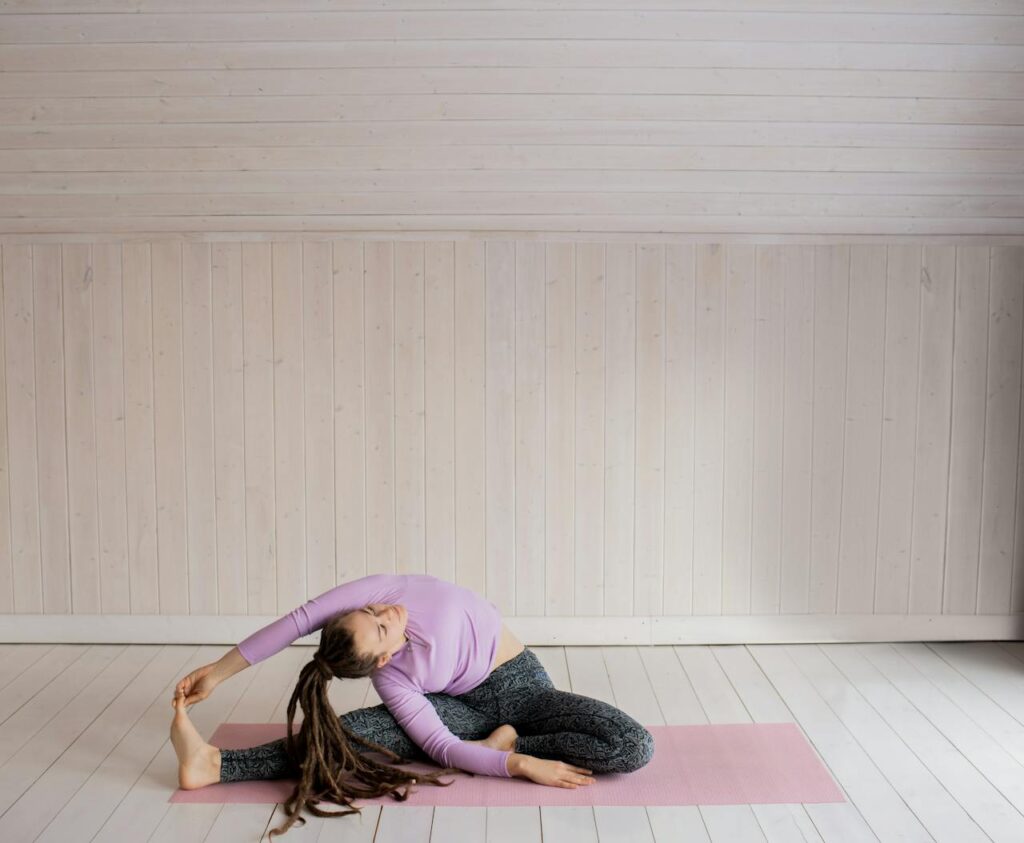
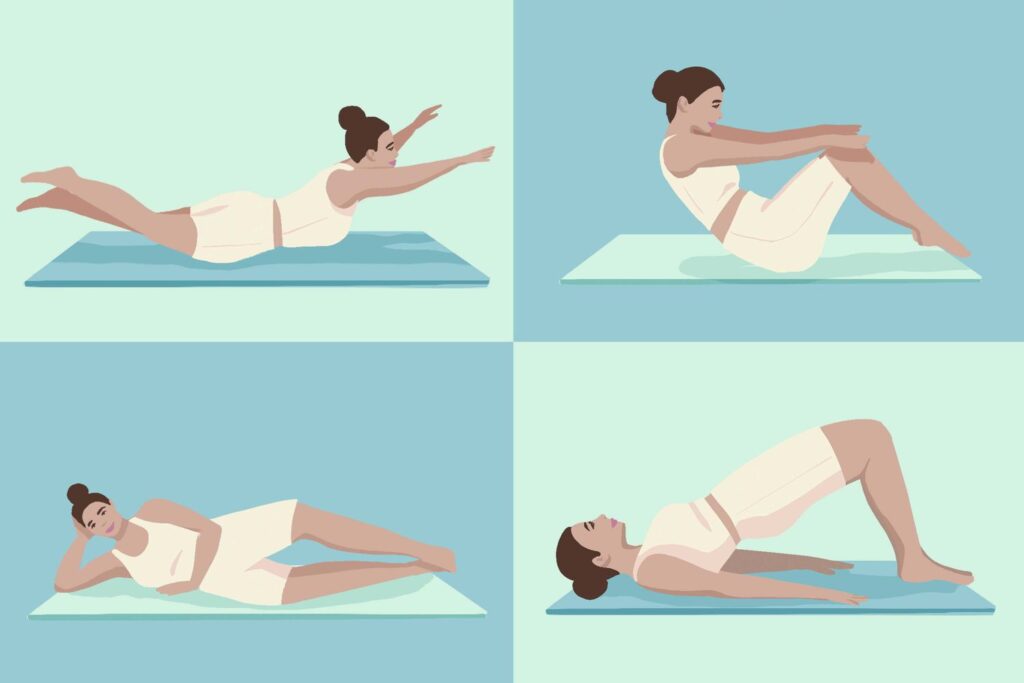
One of the best options for walkers. Pilates builds core strength, balance, and functional movement without high impact.
- Mat Pilates: great for home workouts
- Reformer Pilates: ideal if you like guided classes
It’s challenging but sustainable — and that matters.
Resistance Bands
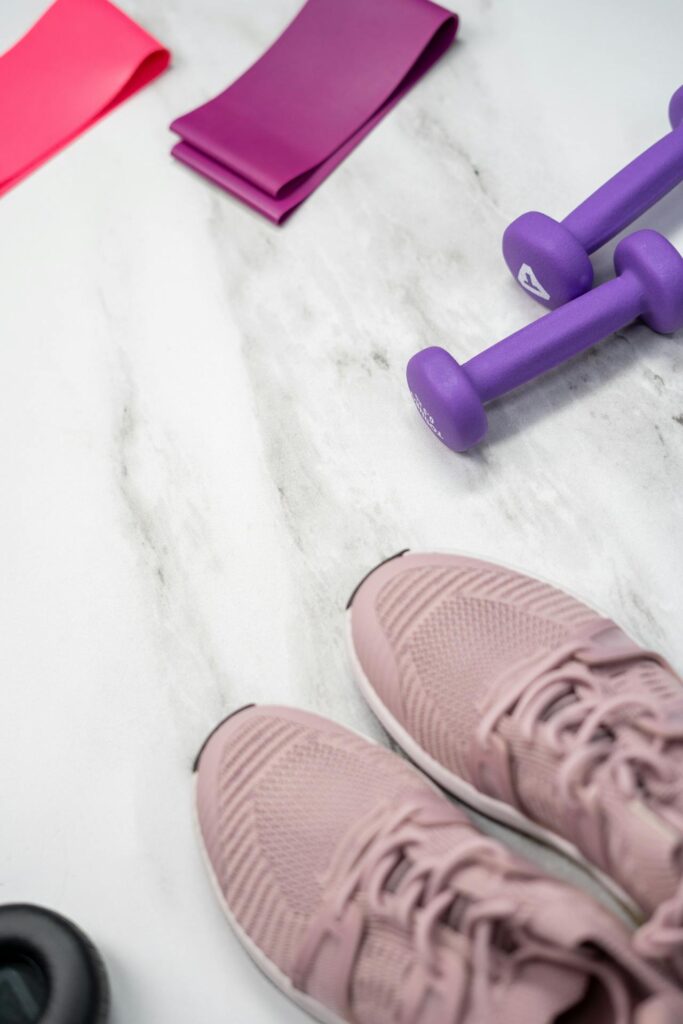
Affordable, portable, and effective. Resistance bands are a perfect bridge between “I only walk” and “I strength train.” They’re easy on joints and incredibly versatile.
A Short-Term Personal Trainer
You don’t need one forever. Even 4–6 sessions can teach proper form, remove guesswork, and help you build a routine you can stick with on your own.
The Real Question: Will You Stick With It?
If exercise hasn’t stuck before, it’s not a character flaw. It usually means the approach didn’t fit your life.
A few principles that actually work:
- Mild enjoyment beats discipline. If you hate it, the couch will always win.
- Start embarrassingly small. Two 20-minute sessions a week is enough.
- Pair it with walking. Walk first, then strength train — or vice versa.
- Give it six weeks. The awkward phase passes. Strength feels good eventually.
The Bottom Line
You don’t need to love the gym or chase fitness trends and you definitely don’t need hot yoga enlightenment.
You need a simple, doable routine that builds strength twice a week and fits into the life you already have.
Keep walking. Add a little strength. Let them coexist.
Your doctor isn’t asking you to become an athlete — they’re asking you to maintain the body you’ll need for the next few decades. And that’s not only reasonable… it’s absolutely doable.
Affiliate Disclaimer: This post may contain affiliate links, which means I may earn a small commission at no extra cost to you if you make a purchase through these links.