Meal prep made simple.
Let’s be honest, meal prep doesn’t always look like perfectly organized containers lined up in the fridge.
I am certainly not perfect. I’ve thrown together a lunch more times than I can count, only to open it later and realize my choices weren’t exactly the healthiest or most satisfying.
Life can get busy. Between work, family responsibilities, appointments, and everyday tasks, it can be difficult to find time to prepare healthy meals every day. That is where meal prep can make a huge difference.
Meal prep is simply the practice of planning and preparing meals ahead of time. It does not have to mean spending an entire day cooking. Even a small amount of preparation can help you eat healthier, save money, and reduce daily stress.
Benefits of Meal Prep
Saves Time During the Week
One of the biggest advantages of meal prep is convenience. Instead of wondering what to make for dinner after a long day, you already have ingredients prepared or meals ready to go.
A few hours of preparation on the weekend can save valuable time throughout the week.
Supports Healthy Eating
When healthy meals are prepared in advance, it becomes much easier to make nutritious choices. Meal prep helps reduce the temptation to order takeout or reach for less healthy convenience foods.
Having balanced meals ready to enjoy can help you stay consistent with your health goals.
Reduces Food Waste
Many of us buy groceries with good intentions only to throw away unused produce at the end of the week. Meal planning helps you purchase only what you need and use ingredients more efficiently.
This not only reduces waste but also saves money.
Lowers Stress
Deciding what to eat every day can be surprisingly exhausting. Meal prep eliminates much of the daily decision-making and creates a sense of organization that can make the week feel more manageable.
How to Get Started
Meal prep does not have to be complicated. Start small and build a system that works for your lifestyle.
Step 1: Plan Your Meals
Choose a few meals you would like to eat during the week. Focus on simple recipes with ingredients that can be used in multiple dishes.
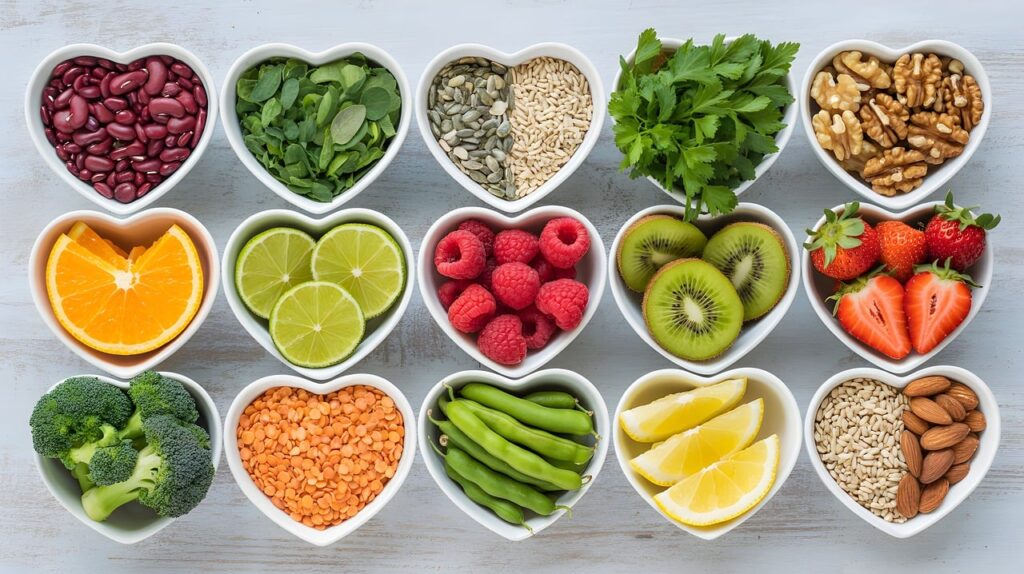
For example:
- Grilled chicken
- Roasted vegetables
- Brown rice
- Salad ingredients
- Fresh fruit
- Greek yogurt
Step 2: Create a Grocery List
Once you know what you plan to eat, make a shopping list. Sticking to a list can help prevent impulse purchases and keep grocery spending under control.
Step 3: Prepare Ingredients
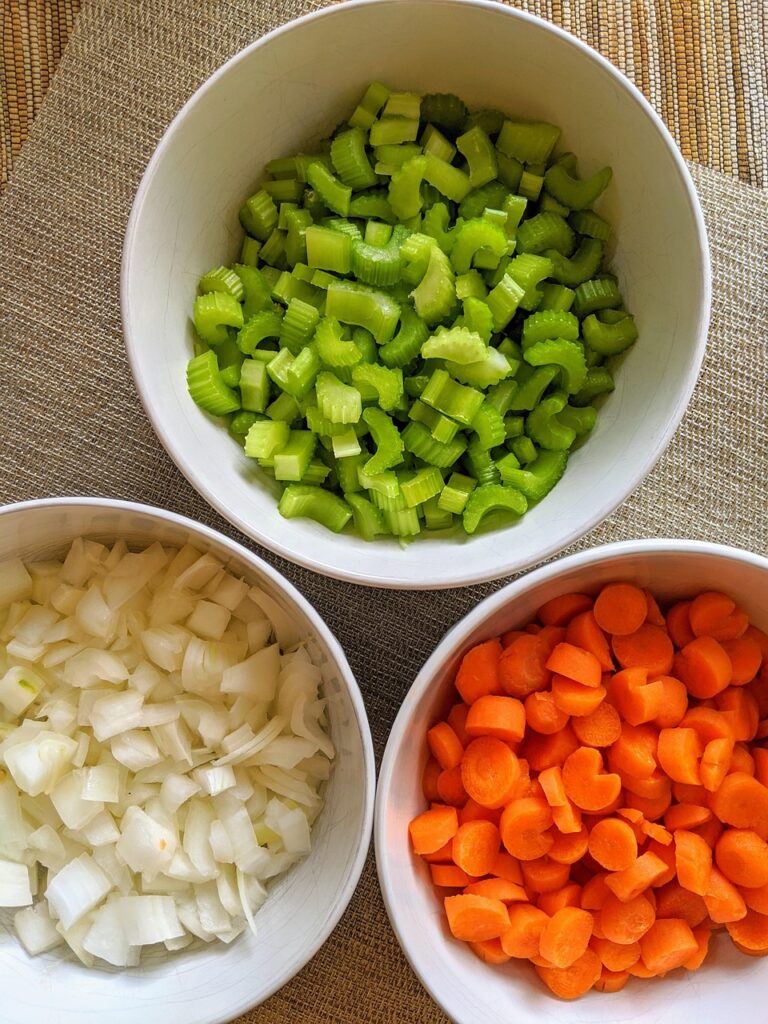
Wash and chop vegetables, cook grains, and prepare proteins in advance. Even partial preparation can make weeknight cooking much faster.
Step 4: Store Properly
Use airtight containers to keep food fresh. Clear containers make it easy to see what is available and encourage you to use prepared foods before they spoil.
Easy Meal Prep Ideas
Breakfast
- Overnight oats
- Greek yogurt parfaits
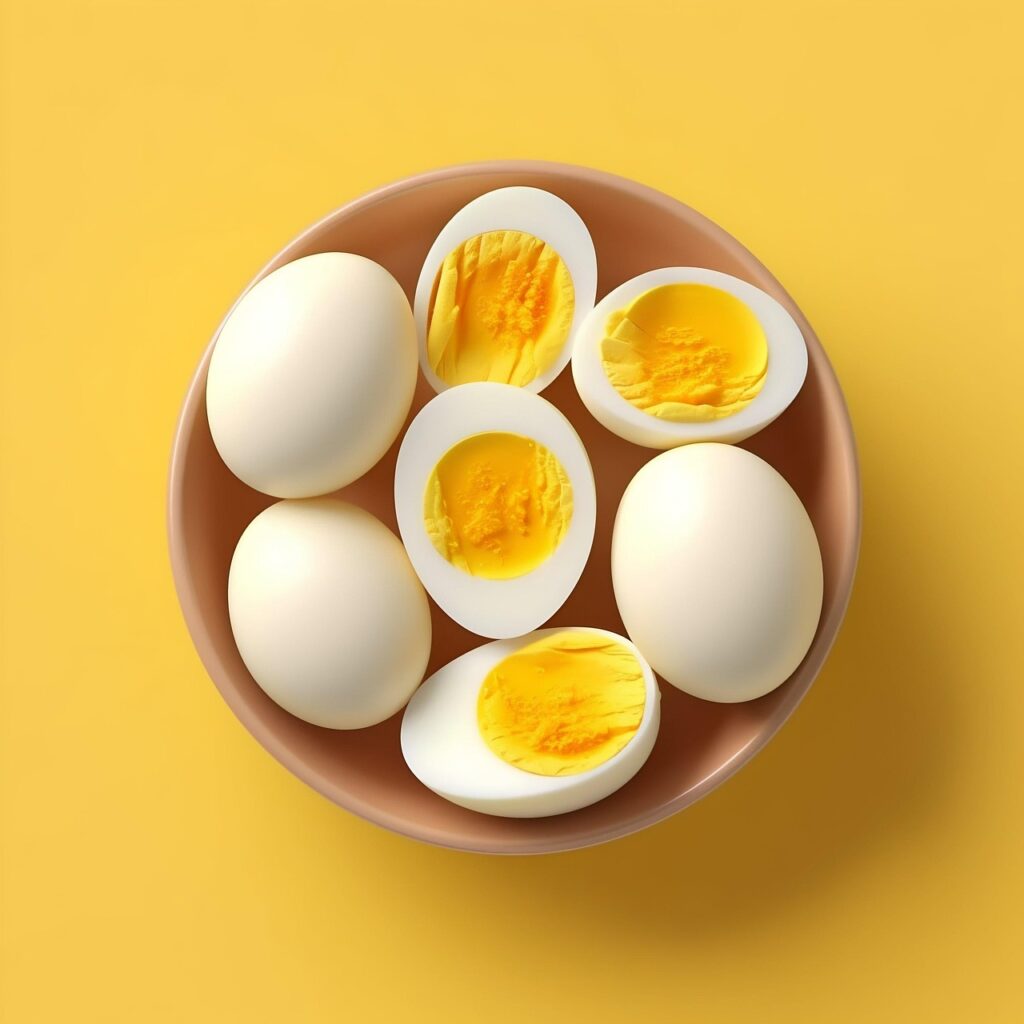
- Hard-boiled eggs
- Smoothie packs stored in the freezer
Lunch
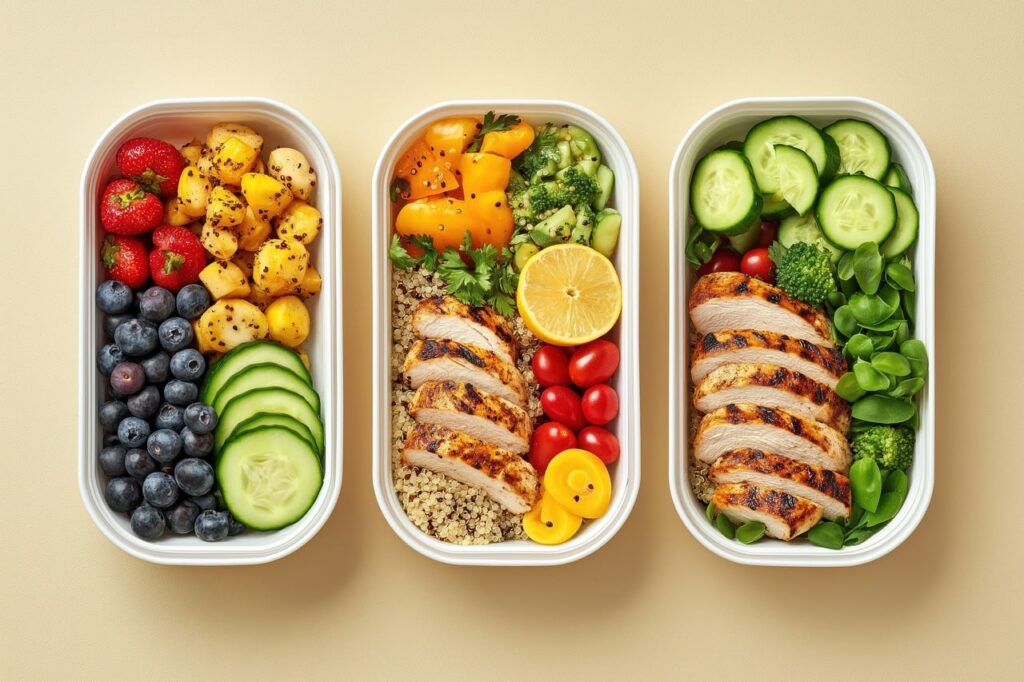
- Chicken and vegetable bowls
- Quinoa salads
- Turkey wraps
- Pasta salad with vegetables
Dinner
- Sheet pan chicken and vegetables
- Stir-fries
- Soups and stews
- Slow cooker meals
Snacks
- Cut vegetables with hummus
- Mixed nuts
- Fresh fruit
- Cheese and whole-grain crackers
Tips for Long-Term Success
Keep It Simple
You do not need elaborate recipes. Simple meals are often easier to prepare and maintain consistently.
Choose Foods You Enjoy
Meal prep works best when you genuinely like what you are eating. Include your favorite healthy foods and experiment with new recipes gradually.
Prepare in Batches
Cooking larger portions can save both time and energy. Leftovers can become lunches or dinners later in the week.
Be Flexible

Life happens.
Some weeks will go according to plan, while others will not. Meal prep is a tool to make life easier, not another source of pressure.
Final Thoughts
Meal prep is one of the simplest ways to support a healthy lifestyle. It saves time, reduces stress, helps control food spending, and makes nutritious eating more convenient.
You do not need a perfect system to experience the benefits. Start with a few prepared meals or ingredients each week and build from there. Small, consistent steps can make healthy living feel much more achievable and enjoyable.