

8 Rituals to Unwind at home
The evening relaxation routine. There is a particular kind of exhaustion that has nothing to do with the body. It is the exhaustion of a mind that never truly stopped — the kind that follows you from a meeting into dinner, from dinner into a scroll through your phone, from your phone into a fitful, shallow sleep. The modern evening has become an extension of the workday, dressed in softer clothes. But it doesn’t have to be this way.
For centuries, the hours between dusk and sleep were treated as something almost sacred — a threshold time, neither fully day nor fully night, where the self could be recovered from the demands of the world. The evening ritual was not a luxury. It was medicine.
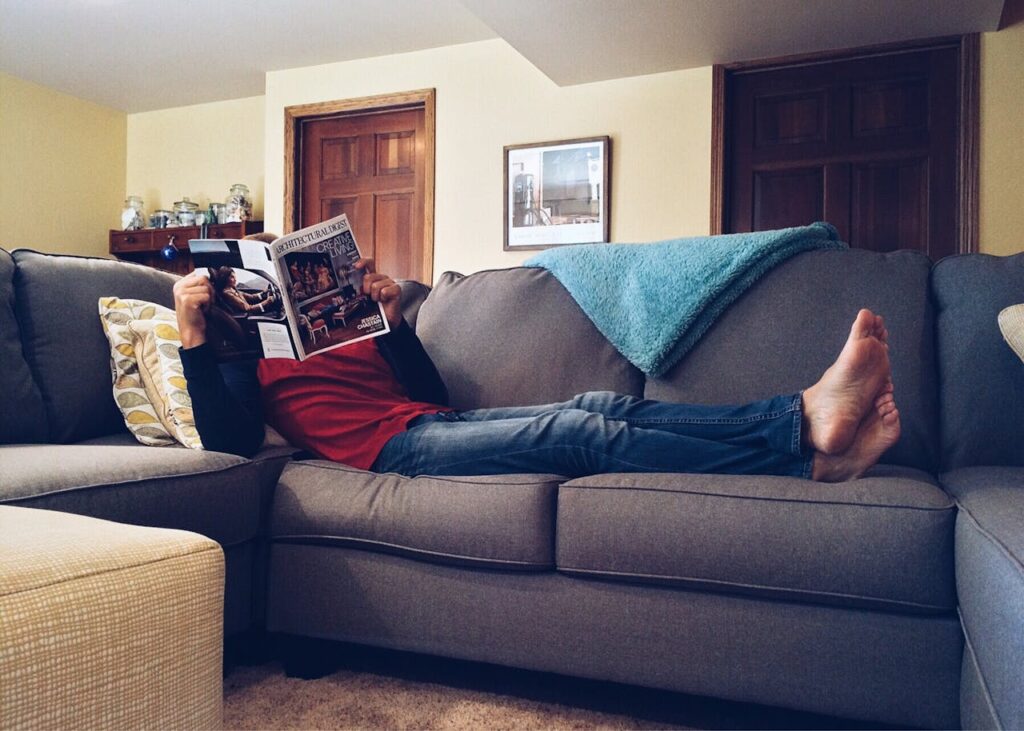
Building a relaxation ritual at home doesn’t require a spa budget, a dedicated room, or an extra hour you don’t have. It requires only a small, consistent act of intention: the decision, made each evening, to transition from doing to being.
“The way you end your day is the way you begin tomorrow.”
Why Rituals Work
Rituals are powerful. Not because they are magical, but because they are consistent. The brain is a pattern-recognition machine, and when you perform the same sequence of actions each evening, your nervous system begins to treat those actions as a signal: it is safe to let go now. Cortisol drops. The parasympathetic nervous system — your rest-and-digest mode — begins to take over.

This is why the content of the ritual matters less than its regularity. A cup of herbal tea means nothing on its own. But a cup of herbal tea drunk slowly, in the same chair, at the same quiet hour, night after night — that becomes a cue, and eventually, an anchor. The goal of an evening ritual isn’t productivity. It isn’t self-improvement. It is simply the gentle, repeated practice of coming back to yourself.
Ideas to Weave into Your Evening Relaxation Routine
No single ritual suits everyone. The following ideas are not prescriptions — they are invitations. Choose one or two that resonate, and begin there. Simplicity is a feature, not a limitation.
 Light a Candle as Your Signal
Choose a scent you love — These are some of mine – Jasmine Oud Sandalwood, Sweet Dream – Lavender/Geranium/Patchouli, Teakwood and Mahogany, Fresh Lemon and Smoke Vanilla. Light it at the same time each evening. The act of striking a match and watching a flame come to life is a small ceremony that tells your body the day is over. Scent is processed by the limbic system, the brain’s emotional center, making it one of the fastest routes to a shifted state of mind.

 Taking a Warm Bath or Shower
Slowly. A warm bath an hour or two before bed is one of the most scientifically supported sleep aids there is. The warmth raises your core body temperature; when you step out, your temperature drops rapidly, mimicking the natural cooling that triggers sleepiness. Turn off the overhead lights. Use a bath oil, bath salts or a good soap. Let it be the one thing you’re doing.
 Read Something for Pleasure
Not a self-help book, not an industry newsletter — something purely for the joy of it. Fiction is especially powerful here, because it asks your brain to inhabit another consciousness entirely, which is a reliable way to step out of your own rumination. Even fifteen minutes before sleep can shift your entire mental atmosphere.
 Make a Slow Cup of Something Warm
Chamomile, Elderberry, a Night Time Blend, Mint, Lemon/Ginger/Honey Blend or a simple warm milk with honey — the specific drink matters less than the act of making it mindfully. Boil the water. Watch it steep. Hold the cup in both hands. This is not multitasking. This is a small meditation dressed as a beverage.
 A Brief Evening Journal
You don’t need to write pages. Write three sentences is enough: one thing that happened today, one thing you’re grateful for, and one thought you’d like to leave behind before sleep. Even one word that sums it up. The act of writing externalizes the mental noise, moving it from your circling mind onto a page where it can rest.

 Gentle Movement or Stretching
Not a workout — just five or ten minutes of slow, intuitive movement. Child’s pose, a few gentle neck rolls, legs up the wall. This is about releasing the physical tension that accumulates through a day of sitting, standing, and carrying quiet stress in the shoulders and jaw. Let your body remember it’s allowed to soften. This could be added to your evening relaxation routine.
 A Phone-Free Window
Perhaps the single most impactful change you can make: give yourself a set time each evening — even just 30 minutes — with no screens. And not because screens are evil, but because the evening brain needs something screens cannot provide: genuine quiet. Try to put the phone in another room. See what surfaces in that silence.

 Curate Your Sonic Environment
Sound shapes mood with remarkable efficiency. Build an evening playlist — something slow, instrumental, and free of lyrics that demand attention. Or try ambient natural sounds: rain, forest, ocean. Many people find that shifting the soundscape of their home is the easiest way to shift their internal state.
Building Your Own
Of course, the best evening ritual is the one you’ll actually do. Start with a single practice — the one that sounds most appealing, or the one that seems most accessible on a busy night. Try to do it consistently for two weeks before adding anything else.
Pay attention to what happens. Does it feel like relief? Does your sleep begin to shift? Do you notice a cleaner sense of separation between the day and the night? These are the signals that tell you you’re building something real.
Over time, the ritual becomes less something you do and more something you return to — a room in your evening that belongs entirely to you. In a world that asks relentlessly for your attention, that room is not a small thing.

It is, in the most literal sense, a restoration. Try some of these rituals or add you own. We all have something that we could add and something we could change. For me, I changed a few things that helped me tremendously. When I’m really wound up, I take a bath. A cup of mint or Chamomile tea with a book helps. Then there was my biggest problem – the phone scrolling before bed. I had to move my phone out of the bedroom completely and out of hands reach. Let me tell you, that alone has helped me sleep better. Think about what you need. These are just tips. Happy sleeping.
Affiliate Disclaimer: This post may contain affiliate links, which means I may earn a small commission at no extra cost to you if you make a purchase through these links.