
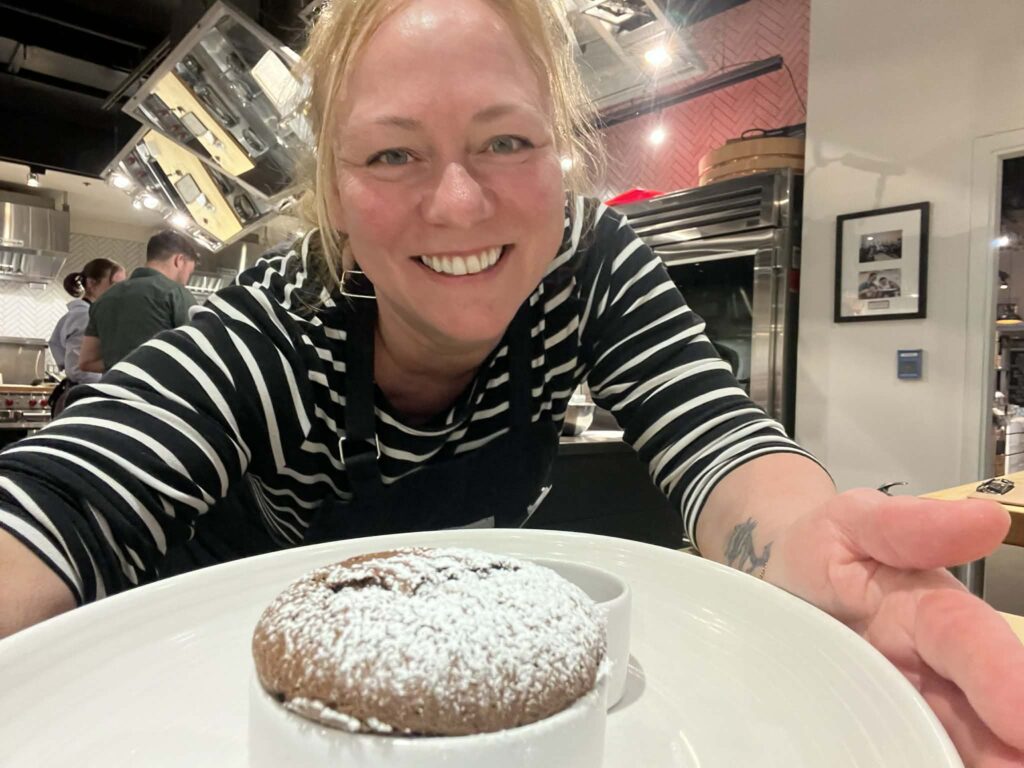
I don’t just love French cuisine — I LOVE French cuisine. I’ve always said I should have been born French. There is something utterly magical about it: the depth of complex flavors, the vibrant colors, the breathtaking presentation, and the sheer joy that comes from creating it. For me, cooking French food isn’t just a hobby. It’s a passion.
Inspired by the Greats
So much of my love for French cooking was kindled by watching two legends in the kitchen — Julia Child and Jacques Pépin. Watching them cook, create, and bring French cuisine to life with such warmth and confidence was nothing short of inspiring. They had a gift for making the complex feel approachable and showing home cooks like me that we don’t need a Parisian restaurant to experience something truly special. We can create that magic right in our own kitchens.
A Celebration of Simplicity and Quality
At the heart of French cooking is a respect for ingredients. Fresh produce, high-quality butter, fragrant herbs, and carefully sourced meats or cheeses are allowed to shine. Rather than masking flavors, French cuisine enhances them through thoughtful preparation and balance. A simple omelette, when made well, can be just as memorable as an elaborate multi-course meal.
A Cooking Class to Remember
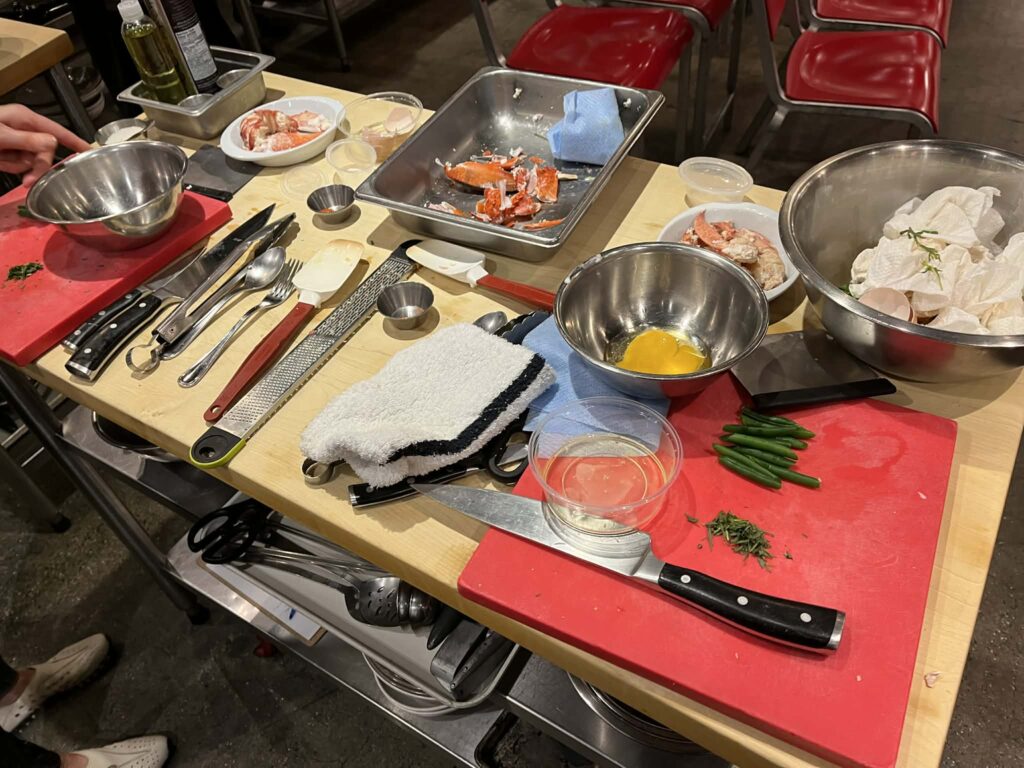
I eventually took a Julia Child’s cooking class — and it was every bit as wonderful as I’d hoped. Well, mostly. There was a moment involving a very lively, very uncooperative lobster that had absolutely no intention of going into a pot of boiling water. One dramatic scramble later, it ended up on the floor. I’ll be honest — getting pinched was not on my agenda that evening, so I stepped back and let our incredible instructor swoop in and save the day. The whole room erupted in laughter. It was chaotic, hilarious, and completely unforgettable.
The evening was long, educational, and deeply satisfying — runaway lobster and all.
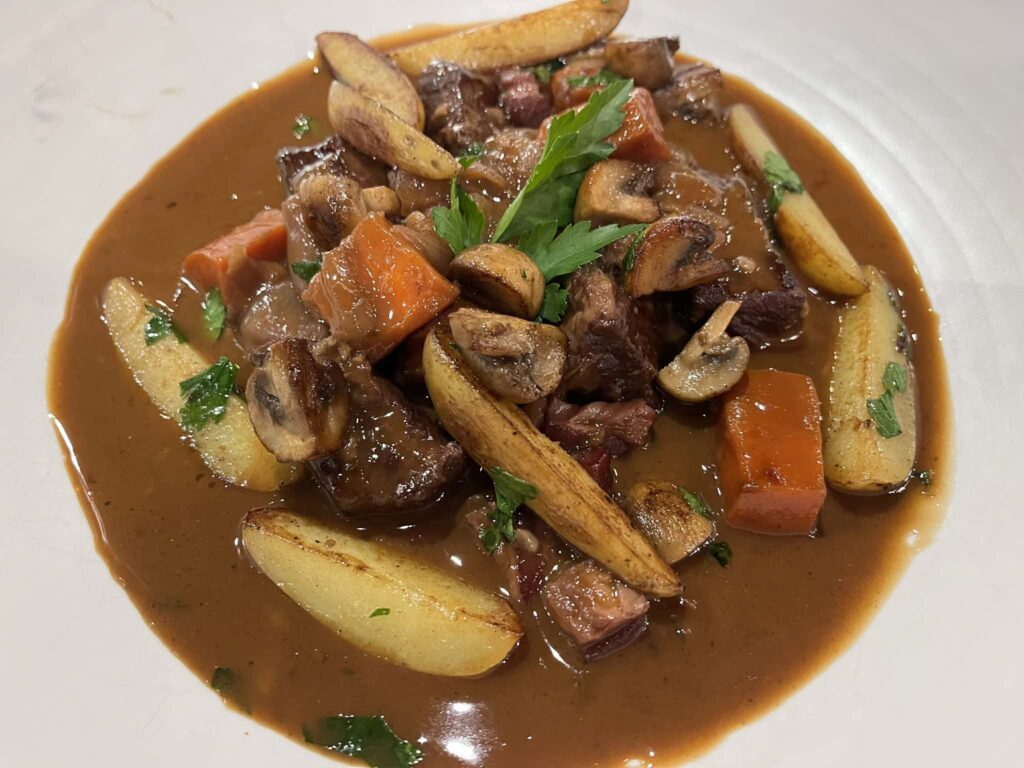
One of the greatest joys of French cuisine is it’s regional diversity. Each area tells it’s own culinary story. You might have heard of a couple of these.
Provence offers sun-drenched flavors with olive oil, tomatoes, garlic and herbs.
Burgundy is known for rich, slow-cooked dishes and world-class wines.
Coastal regions highlight fresh seafood with light, elegant preparations.
Rural countryside cooking focuses on comfort foods, hearty stews, and recipes passed down through generations.
French cuisine also teaches us how to eat, not just what to eat. Meals are meant to be savoured, not rushed. Courses unfold gradually, conversation flows and food becomes a way to connect with others and with the moment. Even everyday meals carry a sense of intention, turning lunch or dinner into a small ritual of joy.
Why French Cuisine is Worth Exploring
French cuisine is more than just food — it’s a philosophy. It celebrates quality ingredients, time-honored techniques, and the idea that a meal shared with others is one of life’s greatest pleasures. From a rustic coq au vin simmering on the stove to a perfectly golden crêpe folded at the table, every dish tells a story.
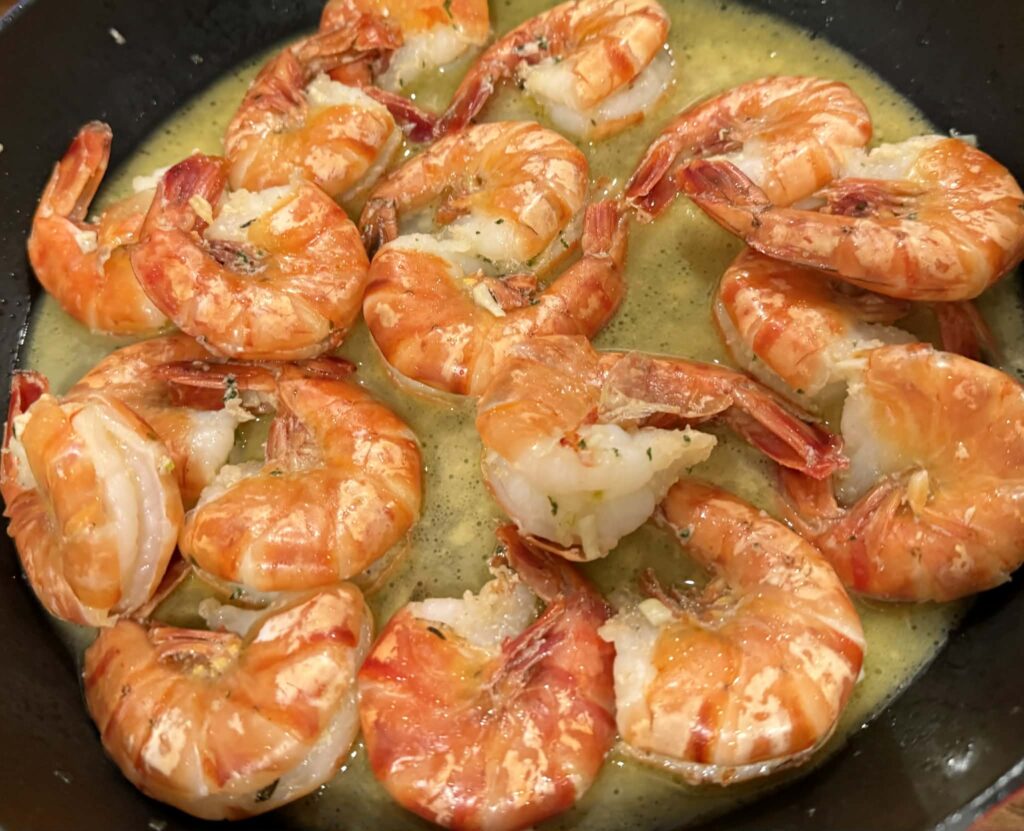
And the best part? You don’t have to travel to Paris to enjoy it. With a little curiosity, some good ingredients, and a willingness to embrace the occasional kitchen adventure — lobsters included — you can bring the heart of French cooking home.
Bon appétit!
Affiliate Disclaimer: This post may contain affiliate links, which means I may earn a small commission at no extra cost to you if you make a purchase through these links.