
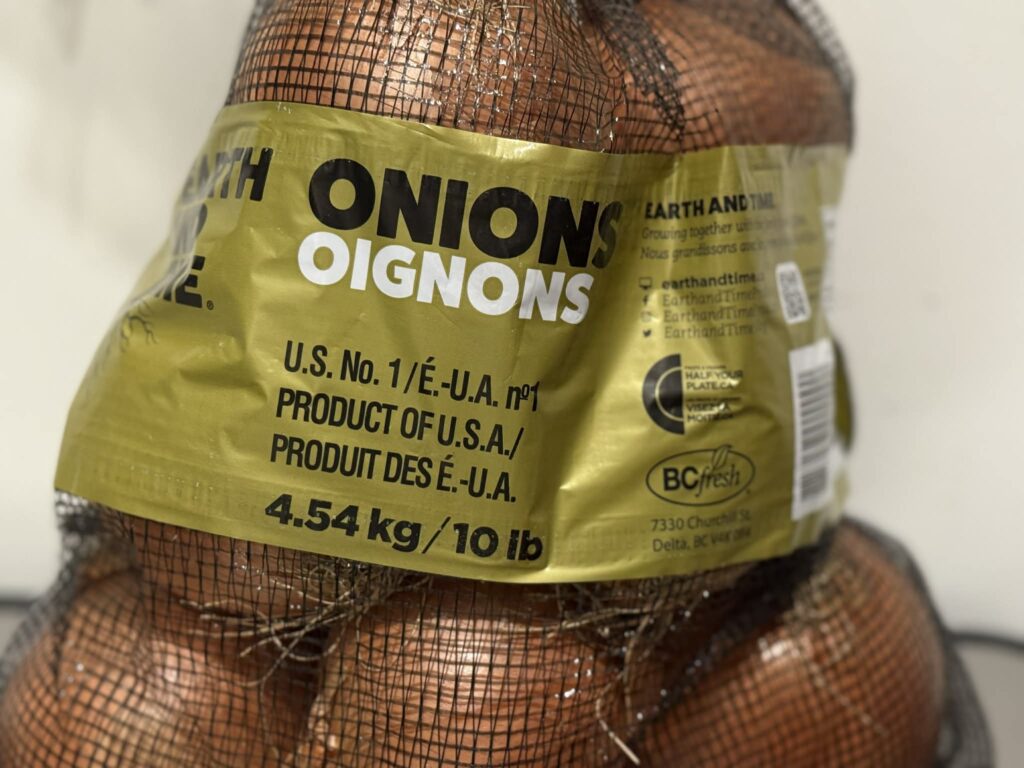
Onions. Yes—onions. They seem simple enough until you’re standing in the grocery store staring at yellow, white, red, sweet, pearl, green, and wondering… Does it really matter which one I choose? Understanding the different types of onions and how to use them can completely change your cooking confidence. Each variety has its own flavor, sweetness level, and best use. Once you know the basics, the “confusing world of onions” suddenly makes sense.
The short answer: yes, it can matter—but not as much as you think. Once you understand the basics, onions go from confusing to confidence-boosting.
Let’s break it down in a simple, no-stress way.
🌱 First Things First: Why So Many Onions?
Different onions vary in:
- Sweetness
- Sharpness
- Moisture
- How they behave when cooked
Some are best raw, some shine when caramelized, and others quietly support soups and sauces without stealing the spotlight.
🧅 Common Onion Types (And What They’re Best For)
🟡 Yellow (Cooking) Onions

Flavor: Balanced, slightly sharp
Best for: Everyday cooking
These are the all-purpose workhorses. They mellow and sweeten as they cook, making them ideal for:
- Soups & stews
- Sautés
- Roasting
- Sauces
Substitution: If a recipe just says “onion”, this is usually what it means.
🟢 White Onions
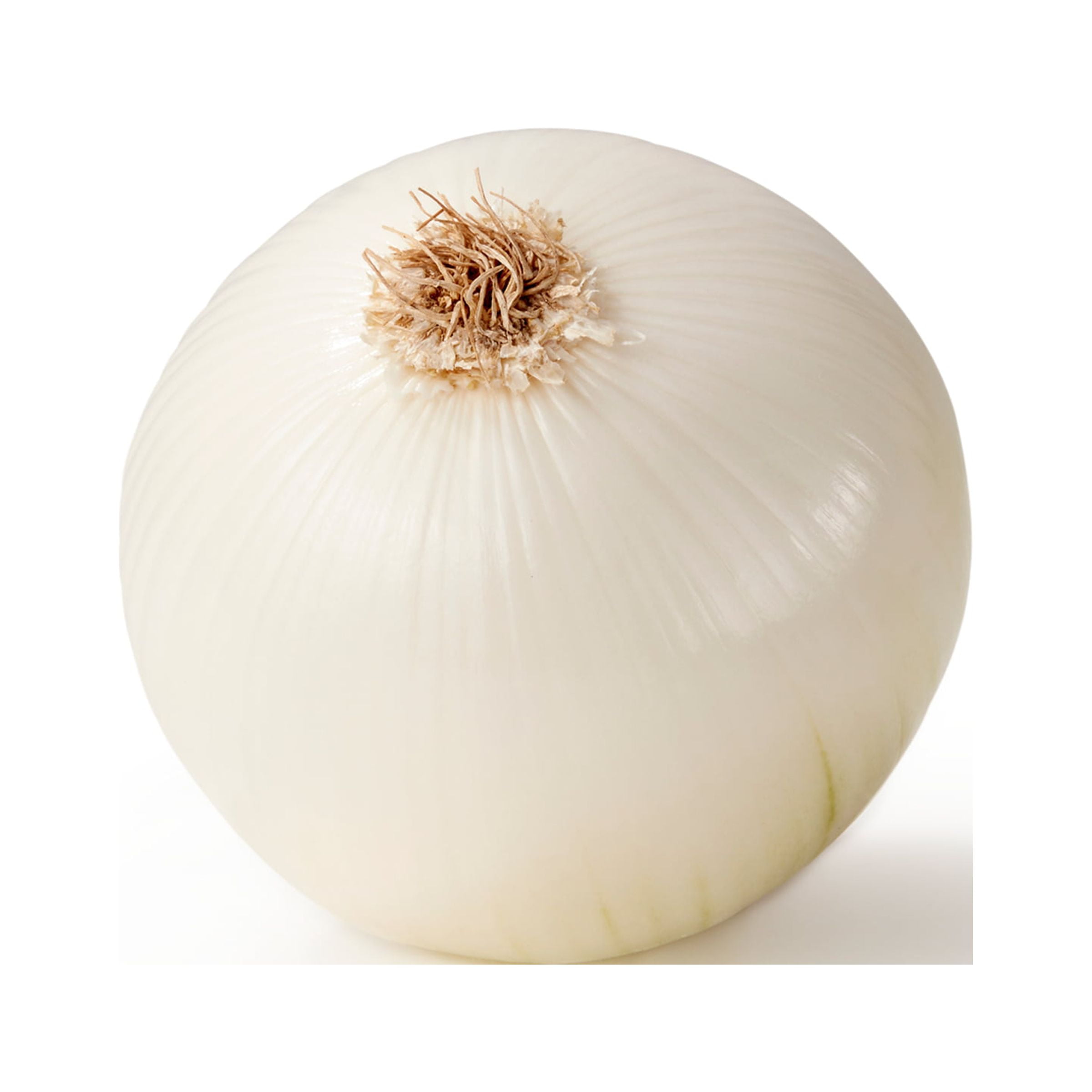
Flavor: Sharper and cleaner than yellow
Best for: Mexican dishes, salsas, quick cooking
White onions hold their bite and don’t sweeten as much, making them great for:
- Tacos & burritos
- Fresh salsas
- Stir-fries
Swap tip: Use yellow if needed—just expect a slightly sweeter result.
🔴 Red Onions

Flavor: Mild to sharp when raw, sweeter when cooked
Best for: Raw dishes & visual appeal
Perfect for:
- Salads
- Sandwiches
- Pickling
Good to know: Cooking softens their sharpness, but they’re best known for raw use.
🍯 Sweet Onions (Vidalia, Walla Walla, Maui)
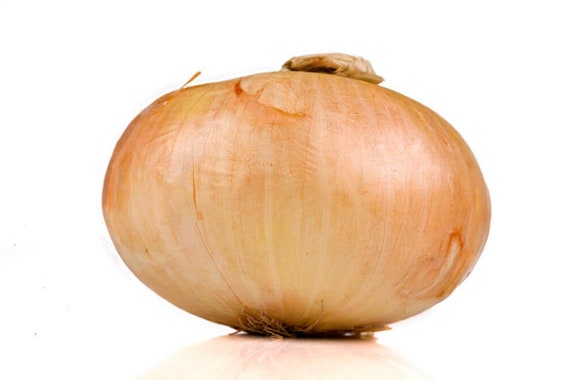
Flavor: Mild and sweet
Best for: Raw eating & caramelizing
Because of their high sugar and low sulfur, they’re excellent for:
- Onion rings
- Caramelized onions
- Salads
Swap caution: Not ideal where a strong type of onion flavor is needed.
🌿 Green Onions / Scallions
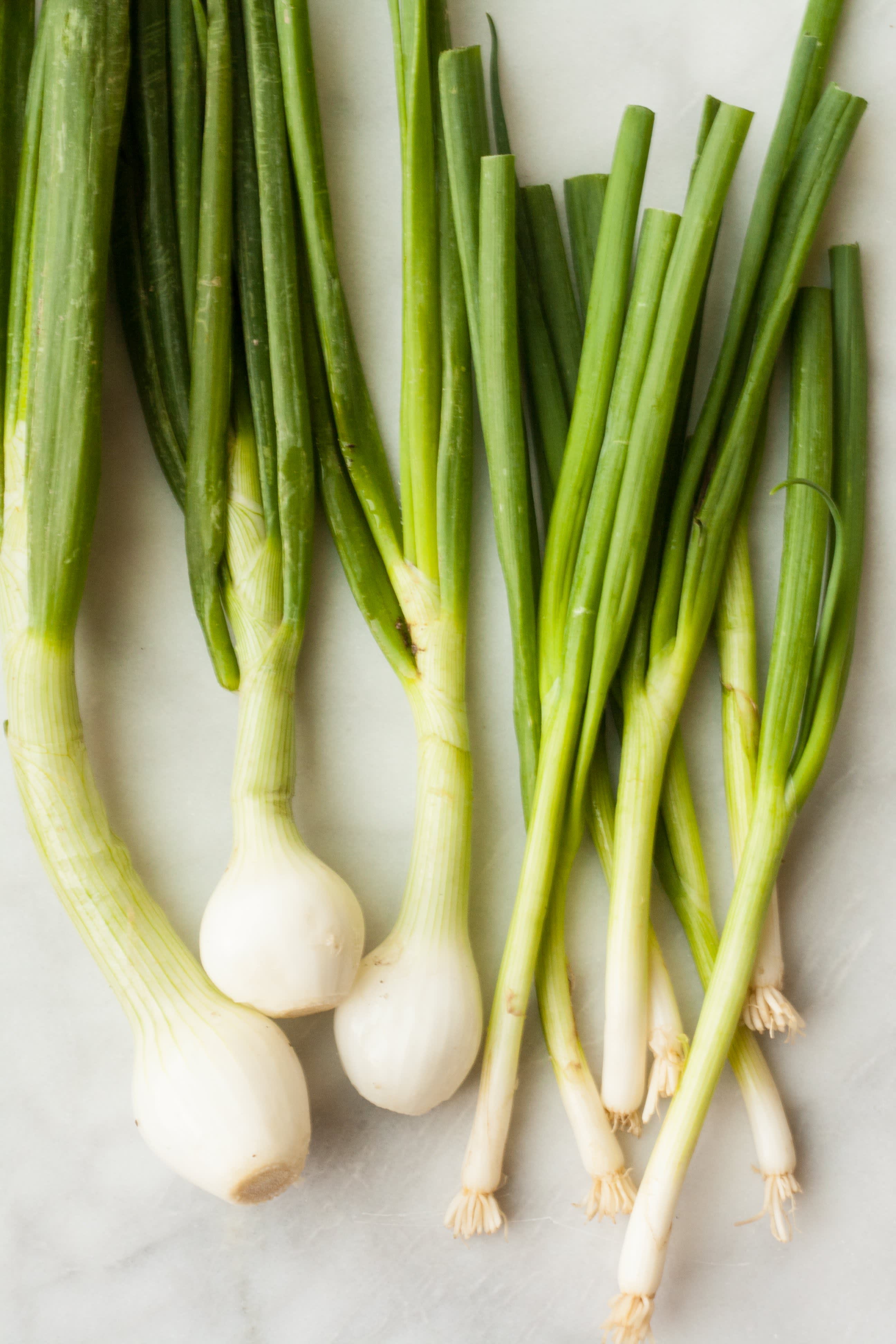
Flavor: Fresh and mild
Best for: Garnish and light cooking
Use them for:
- Soups
- Eggs
- Finishing dishes
Note: Green onions and scallions are usually the same thing in stores.
🌱 Spring Onions

Flavor: Stronger than scallions, milder than full onions
Best for: Grilling or roasting
They have a small bulb and can be used whole.
🧄 Shallots

Flavor: Delicate, slightly garlicky
Best for: Dressings and refined dishes
Great for:
- Vinaigrettes
- Pan sauces
- French cooking
Swap tip: Use a mild onion + a touch of garlic if needed.
🧅 Pearl Onions

Flavor: Mild and slightly sweet
Best for: Stews and roasting
Small but mighty—often used whole.
🥬 Leeks
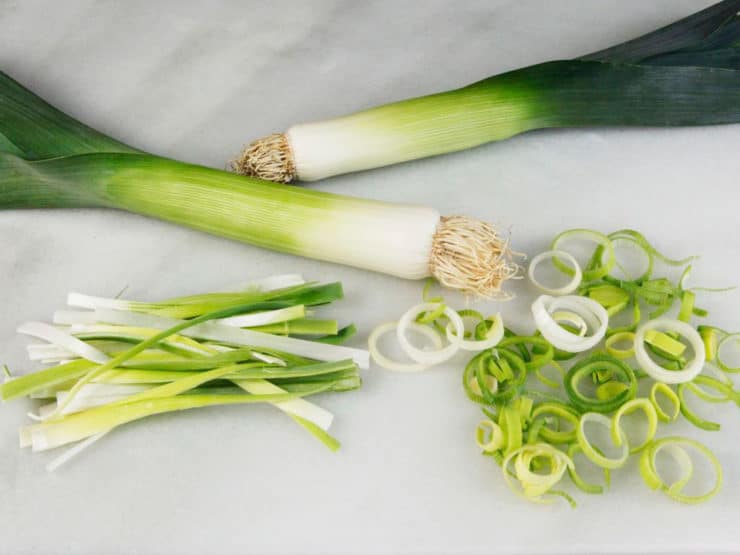
Flavor: Mild and sweet
Best for: Soups and slow cooking
Leeks are onion-adjacent and wonderful in:
- Potato leek soup
- Braised dishes
Important: Clean them well—sand hides inside!
🔄 Can I Substitute One type of Onion for Another?
Most of the time, yes—with small expectations:
If it’s cooked for a long time, differences become less noticeable.
- Raw dish? Choose mild (red, sweet, scallions).
- Cooked dish? Yellow is safest.
- Need subtle flavor? Shallots or leeks.
If it’s cooked for a long time, differences become less noticeable.
🧠 Simple Onion Cheat Sheet
- Default onion: Yellow
- Salads & sandwiches: Red or sweet
- Mexican food: White
- Fancy sauces: Shallots
- Soups: Yellow or leeks
🧅 Final Thought
The world of onions is confusing—but it doesn’t have to be intimidating. Think of onions as personalities rather than rules. Once you know their general vibe, you’ll trust yourself more in the produce aisle—and cook with confidence at home.
And if all else fails?
Use what you have. Dinner will still be delicious. 😊
Affiliate Disclaimer: This post may contain affiliate links, which means I may earn a small commission at no extra cost to you if you make a purchase through these links.