
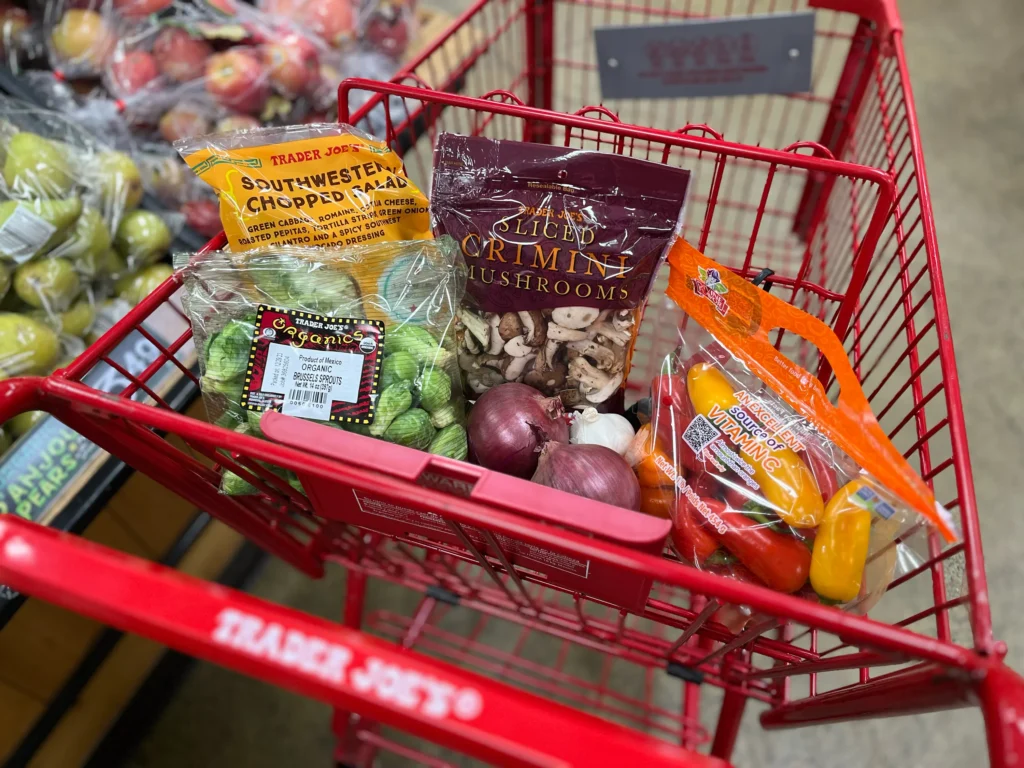
I am by no means a professional when it comes to the “perfect” way to grocery shop. I’m not a nutritionist, a chef, or a budgeting expert. But I am someone who has walked into a grocery store with no plan… and walked out wondering how I spent so much and still had nothing for dinner.
Over time, I’ve learned a few simple lessons that make grocery shopping easier, less stressful, and a lot more efficient. If you’re trying to simplify your routine and waste less food (and money), these tips might help.
1. Never Shop Hungry
Yes, we’ve all heard it before — but it’s worth repeating.
Going to the grocery store hungry is a recipe for regret. Suddenly everything looks delicious. The bakery calls your name. The snack aisle becomes irresistible. And somehow, chips and cookies end up in your cart when they were never part of the plan.
When you shop on a full stomach, you think more clearly. You make better choices. And you’re far less likely to impulse-buy things you don’t really need.
A simple snack before you go can save you from a cart full of “what was I thinking?” purchases.
2. Write a List (And Actually Use It)
This one changed everything for me.
Before heading out, take a few minutes to:
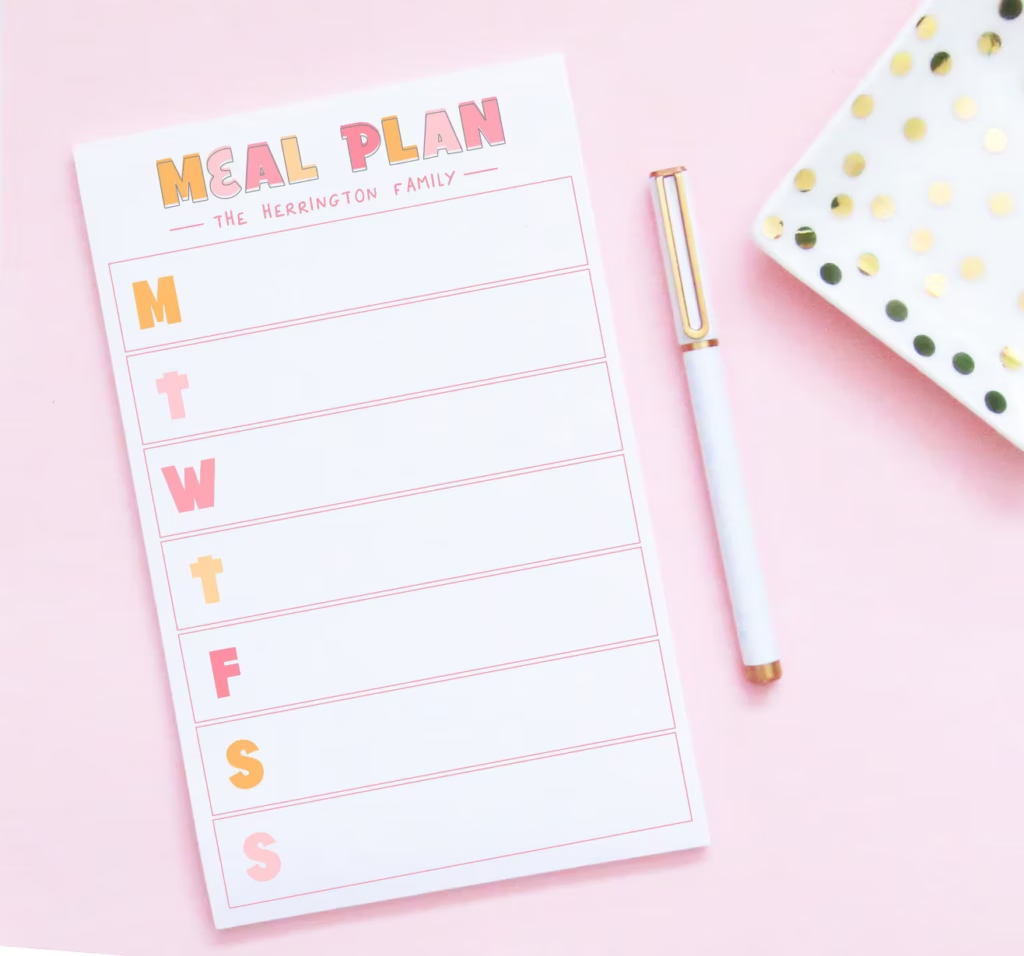
- Check your fridge and pantry
- Plan a rough menu for the week
- Write down exactly what you need
When you plan meals ahead of time, you’re shopping with purpose. You’re not wandering the aisles trying to “figure it out.” You already know what dinner looks like for the next few days.
And here’s the key — stick to the list.
Of course, flexibility is fine. But having a list keeps you focused and helps prevent overbuying.
3. Don’t Overbuy
We’ve all done it. The produce looks fresh and beautiful, so we buy extra. The sale seems too good to pass up. We think, “I’ll definitely use this.”

And then… we don’t.
Food waste is frustrating and expensive. Buying only what you realistically will eat that week makes a huge difference. It keeps your fridge organized, your meals intentional, and your budget under control.
If you’re unsure whether you’ll use something — skip it this time. You can always grab it next week.
4. Shop Your Kitchen First
Before you even leave the house, take inventory.
There might be:
- Pasta tucked behind a box
- Frozen vegetables you forgot about
- Chicken in the freezer
- Half a bag of rice waiting to be used
Building meals around what you already have reduces waste and saves money. Sometimes creativity comes from limitations.
Sometimes I’ll take out all the veggies in the fridge that look like they are close to expiring and throw them in the crock pot with some veggie “Better than Bouillon” and let that go for a nice soup for later. After it’s done, I just strain it or puree the veggie broth, depending on how I feel. You can add herbs, spices, lentil’s, pasta or whatever you have that you’d like to go into your soup.
5. Keep It Simple
We don’t need complicated meals every night. In fact, simple usually wins.
A protein, a vegetable, and a grain can create dozens of easy combinations. When you stop trying to reinvent dinner every day, grocery shopping becomes much easier.
The goal isn’t perfection. It’s practicality.
6. Create a Routine
If you shop at the same store and roughly the same time each week, it becomes easier. You learn the layout, know where things are and you understand pricing. It turns into a rhythm instead of a chore.
Routine removes stress.

Grocery Shopping Is About Intention
Grocery shopping isn’t just about filling a cart. It’s about setting up your week for success. When you plan ahead, avoid impulse buys, and stay realistic about what you’ll actually use, everything feels lighter.
Less waste.
Less stress.
More clarity.
And honestly, that’s what makes it easy.
Affiliate Disclaimer: This post may contain affiliate links, which means I may earn a small commission at no extra cost to you if you make a purchase through these links.