
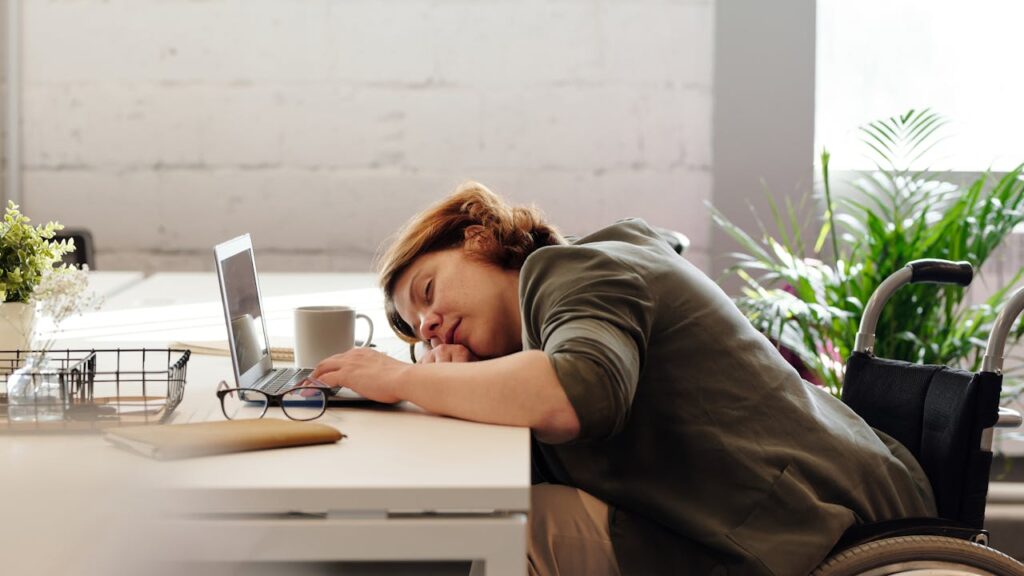
Is taking a cat nap worth it? Are there cat nap benefits? The Science Behind Short-Duration Sleep and Why Your Body Craves It. This is a subject I can really get into. I love my afternoon nap. Let’s see if it’s the right thing for you.
You’ve felt it before — that 2 p.m. slump where your eyelids grow heavy, your focus drifts, and even your coffee stops working. For centuries, cultures around the world have responded to this natural dip with a brief afternoon nap. But is a quick snooze actually good for you, or is it just an indulgence? As it turns out, science has a surprisingly enthusiastic answer.
Cat nap benefits — typically defined as short sleep periods of 10 to 30 minutes — have been studied extensively by sleep researchers, cognitive scientists, and even NASA. The verdict? Done correctly, a brief nap can be one of the most powerful and accessible performance-enhancing tools available to us.
What Exactly Is a Cat Nap?

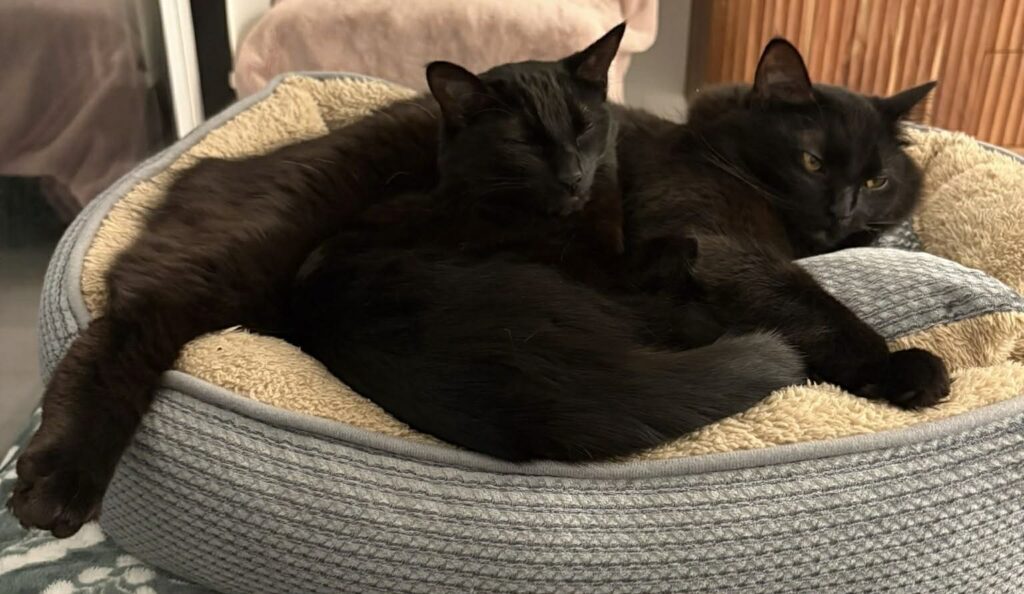
The term “cat nap” borrows from our feline companions, who are famously skilled at sleeping in short, frequent bursts throughout the day. For humans, it typically refers to a nap lasting anywhere from 10 to 30 minutes — long enough to restore alertness, but short enough to avoid falling into deep sleep stages that can leave you groggy. As a rule I do a 20 minute nap after lunch every day and I find that is the best duration of time for me. Every one is going to have that sweet spot for what works for them.
Sleep scientists often distinguish between several types of naps: recovery naps (to make up for lost sleep), prophylactic naps (taken before an expected period of sleep loss), and appetitive naps (taken simply for enjoyment or a mental boost). Cat naps generally fall into the appetitive category — a deliberate reset in the middle of the day.
The Science of the Afternoon Slump
To understand why naps work, it helps to understand why we get sleepy in the first place. Our sleep-wake cycle is governed by two biological systems working in tandem: the circadian rhythm (our internal 24-hour clock) and sleep pressure (the buildup of adenosine, a chemical in the brain that accumulates the longer we stay awake).

Around early-to-mid afternoon — roughly 1 to 3 p.m. for most people — these two systems naturally align to create a dip in alertness. This isn’t laziness; it’s biology. Many researchers believe this dip is a vestige of our evolutionary past, when a short midday rest helped our ancestors survive the heat of the day. In many Mediterranean and Latin American cultures, this instinct was formalised into the siesta — a practice that modern science increasingly validates.
What Does a Cat Nap Actually Do for You?
Research has consistently shown that even a brief nap can deliver a surprising range of benefits:
- Improved alertness and reaction time: A NASA study on sleepy military pilots found that a 40-minute nap improved performance by 34% and alertness by 100%.
- Enhanced memory consolidation: During even light sleep, the brain replays and reinforces recently learned information, helping to transfer it from short-term to long-term memory.
- Better mood and emotional regulation: Short naps reduce levels of cortisol (the stress hormone) and help reset emotional reactivity — making you less irritable and more resilient.
- Reduced cardiovascular risk: A study published in the Archives of Internal Medicine found that people who napped regularly had a 37% lower risk of dying from heart disease than those who didn’t.
- Increased creativity and problem-solving: Light sleep stages are associated with divergent thinking — the kind of lateral, associative thought that underpins creativity.
The Sweet Spot: How Long Should You Nap?
Duration matters enormously when it comes to napping. Sleep too briefly and you may not reap full benefits; sleep too long and you risk entering slow-wave (deep) sleep, which can leave you waking up disoriented — a phenomenon known as “sleep inertia.”
The sweet spot, according to most sleep researchers, falls between 10 and 20 minutes. This is long enough to move through the lighter stages of sleep (stages 1 and 2), restoring alertness and clearing adenosine from the prefrontal cortex, without entering deep sleep.

One clever trick? The “nappuccino” or “coffee nap” — drinking a cup of coffee immediately before a 20-minute nap. Caffeine takes roughly 20 to 30 minutes to kick in, meaning it activates just as you wake up, amplifying the alertness benefits of both. Studies have found this combination to be more effective than either coffee or a nap alone.
Are There Any Downsides?
Cat naps aren’t entirely without caveats. For people who already struggle with insomnia or poor nighttime sleep quality, daytime napping can reduce sleep pressure — making it harder to fall asleep at night and potentially worsening the problem. If you find that napping disrupts your night, it may be worth limiting naps or cutting them out temporarily while addressing underlying sleep issues.
Timing also matters. Napping too late in the afternoon — say, after 4 p.m. — can interfere with evening sleep for most people. The ideal window for a restorative cat nap is generally between noon and 3 p.m., aligned with the natural circadian dip.
Famous Nappers Throughout History
If you needed further convincing, consider the company you’d be keeping. Some of history’s most prolific minds were devoted nappers. Winston Churchill famously napped every afternoon during World War II, crediting it with doubling his daily output. Albert Einstein napped regularly, as did Thomas Edison — who, ironically, was known to downplay the amount he slept while quietly napping on a cot in his laboratory.
Leonardo da Vinci reportedly practised polyphasic sleep — multiple short sleeps throughout the day — in lieu of a single long night’s rest. More recently, companies like Google and Nike have installed nap pods in their offices, recognising that a rested employee is a more productive one.
The Verdict: Absolutely Worth It
So, is taking a cat nap worth it? The evidence strongly suggests yes — with the right approach. A 10 to 20 minute nap taken in the early afternoon can sharpen your focus, improve your mood, consolidate your memory, and even protect your heart, all without significantly impacting your nighttime sleep.
In a culture that often glorifies busyness and views rest as laziness, cat naps offer a quiet act of biological wisdom. Rather than fighting your body’s natural rhythms with another shot of espresso or a mindless scroll through your phone, you could simply close your eyes for twenty minutes — and wake up sharper, calmer, and ready for whatever the afternoon brings.
Quick Tips for the Perfect Cat Nap
- Keep it to 10–20 minutes to avoid sleep inertia
- Nap between noon and 3 p.m. for best results
- Try a coffee nap — drink a coffee just before closing your eyes
- Use an eye mask or dim your environment
- Set an alarm so you don’t oversleep
- If you have insomnia, consult a sleep specialist before making napping a regular habit
This might just be the thing to get you over that afternoon hump. Welcome to the cap nap club.
Affiliate Disclaimer: This post may contain affiliate links, which means I may earn a small commission at no extra cost to you if you make a purchase through these links.