
How Hungarians live: 6 Traditions worth stealing.
Every culture has small traditions that quietly shape the rhythm of everyday life. Some encourage productivity, others emphasize family or community. Hungarian culture offers a fascinating blend of warmth, resilience, and appreciation for life’s simple pleasures.
While Hungary is known for its rich food and beautiful cities, there are also many lifestyle habits woven into Hungarian culture that can benefit anyone looking to slow down and live more intentionally. Here are six Hungarian traditions worth borrowing.
1. Long, Unhurried Meals
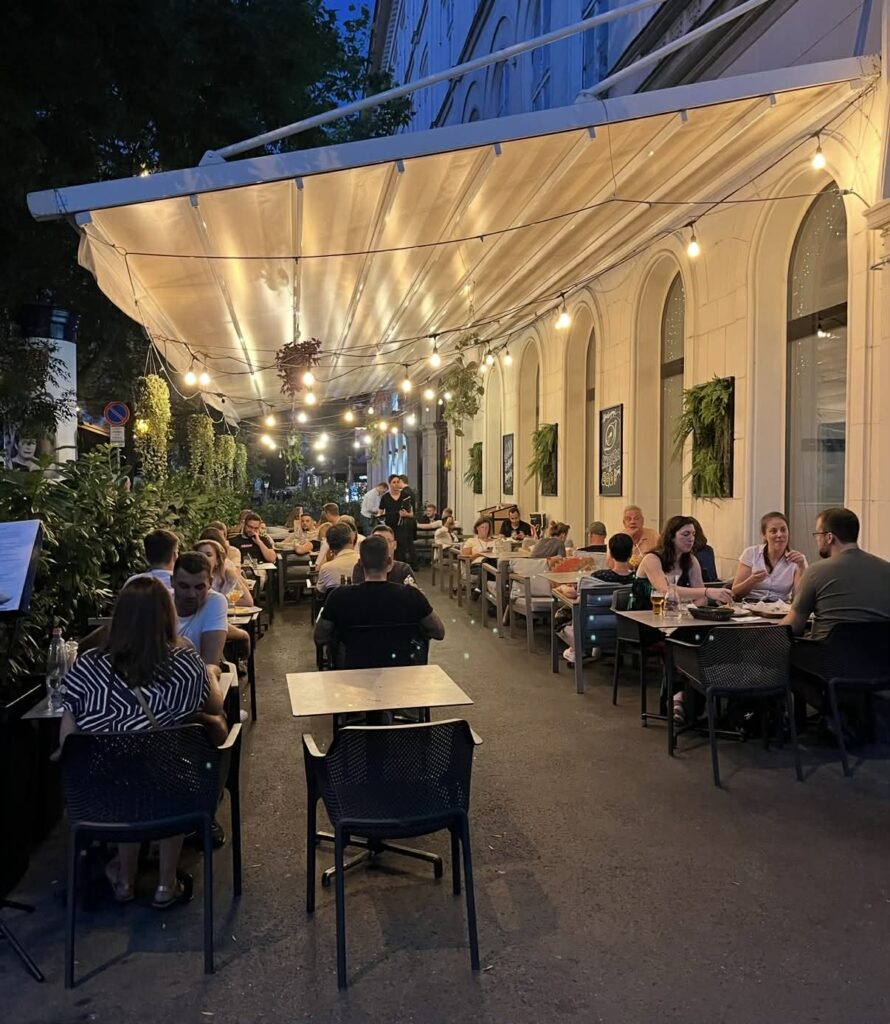
In Hungary, meals are not meant to be rushed. Sitting down together at the table is an important part of daily life. A typical meal might begin with soup, followed by a main course and sometimes dessert. But the real focus is not just the food — it’s the conversation and connection that happen around the table. Meals can stretch well beyond the time it takes to eat, with family members lingering to talk and enjoy each other’s company. Adopting this Hungarian tradition can bring a sense of calm to the day. Turning off phones, sitting down together, and allowing meals to unfold naturally can transform an ordinary dinner into a meaningful ritual.
2. Spending Time in Nature
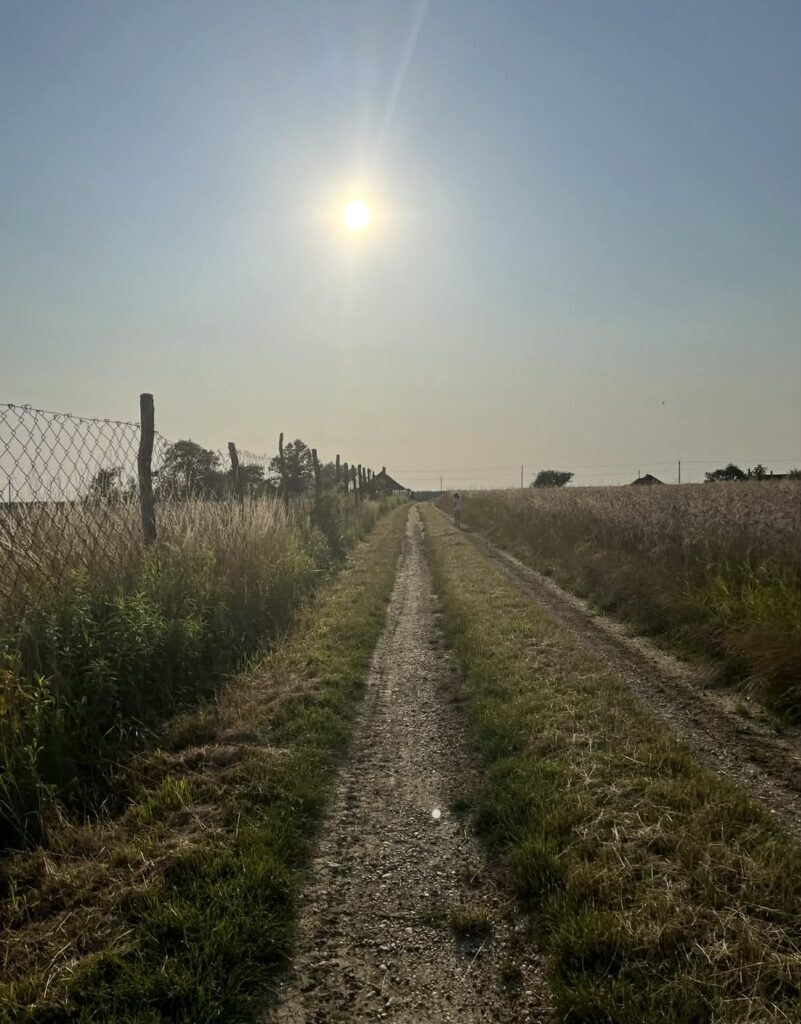
Hungarians have a deep appreciation for the outdoors. Weekends often include walks in forests, picnics, vineyard visits, or relaxing by the water at places like Lake Balaton.
Nature is not treated as an occasional escape but as a normal part of life. Even short walks or time spent in a park can bring similar benefits. Incorporating regular outdoor time helps reduce stress, improves mental clarity, and encourages a slower pace.
3. The Relaxing Bath Culture
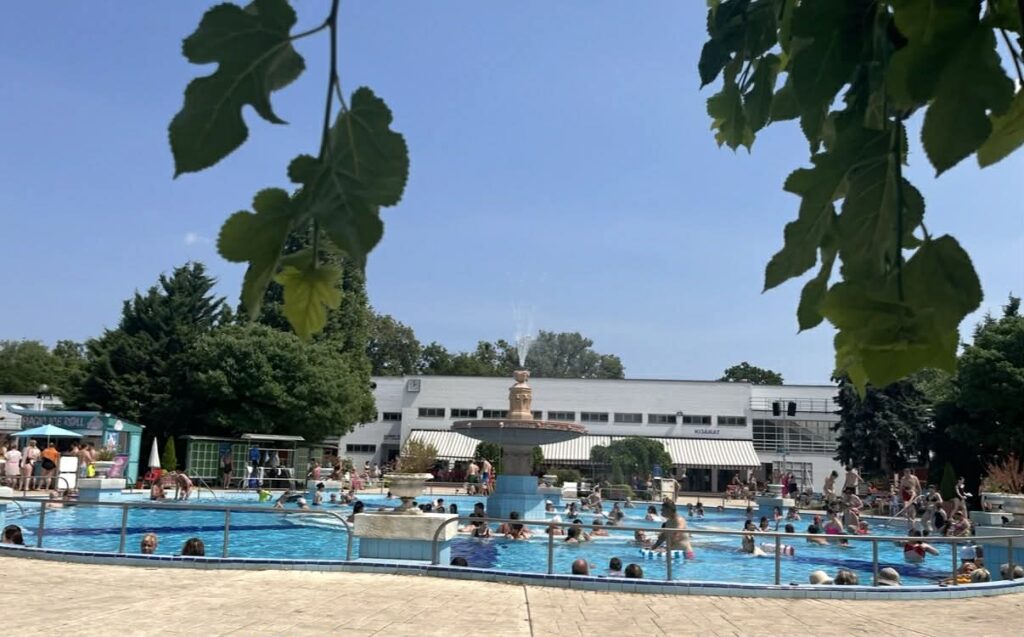
Hungary is famous for its thermal baths, especially in cities like Budapest. Many people regularly visit historic bathhouses such as Széchenyi Thermal Bath. But these baths are more than a place to swim. They are social spaces where people relax, soak in warm mineral water, and spend hours unwinding. While not everyone has access to thermal baths, the spirit of the tradition can easily be recreated. A warm bath, sauna, or quiet evening devoted to relaxation can provide the same restorative pause.
4. The Coffeehouse Tradition
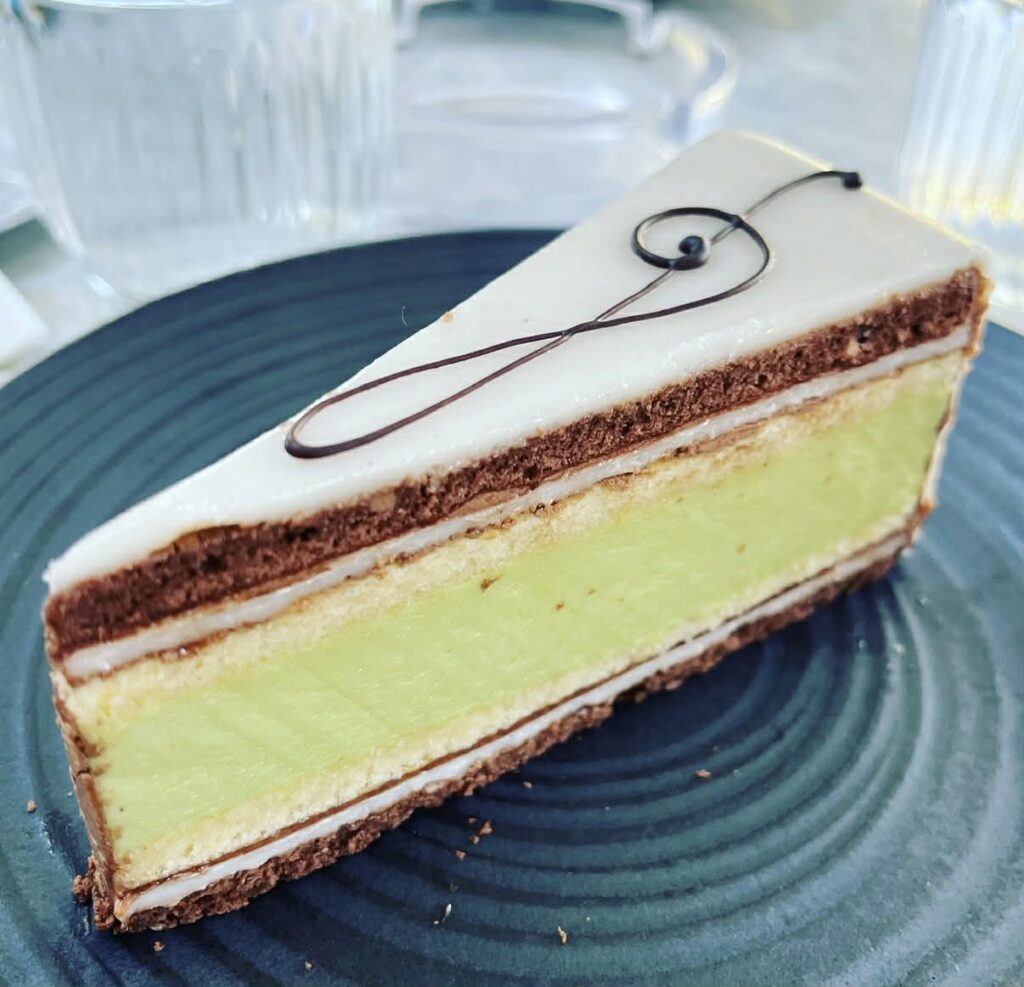
Hungary has a long history of coffeehouse culture. Elegant cafés like New York Café once served as gathering places for writers, thinkers, and artists. But the deeper tradition is simply taking time to sit with a coffee and enjoy conversation or reflection. Instead of rushing through a cup on the way to work, this tradition invites us to slow down. A quiet moment with coffee, a friend, or a good book can become a small daily pleasure. It’s a Hungarian tradition worth thinking about incorporating into our everyday lives.
5. Pride in Homemade Food
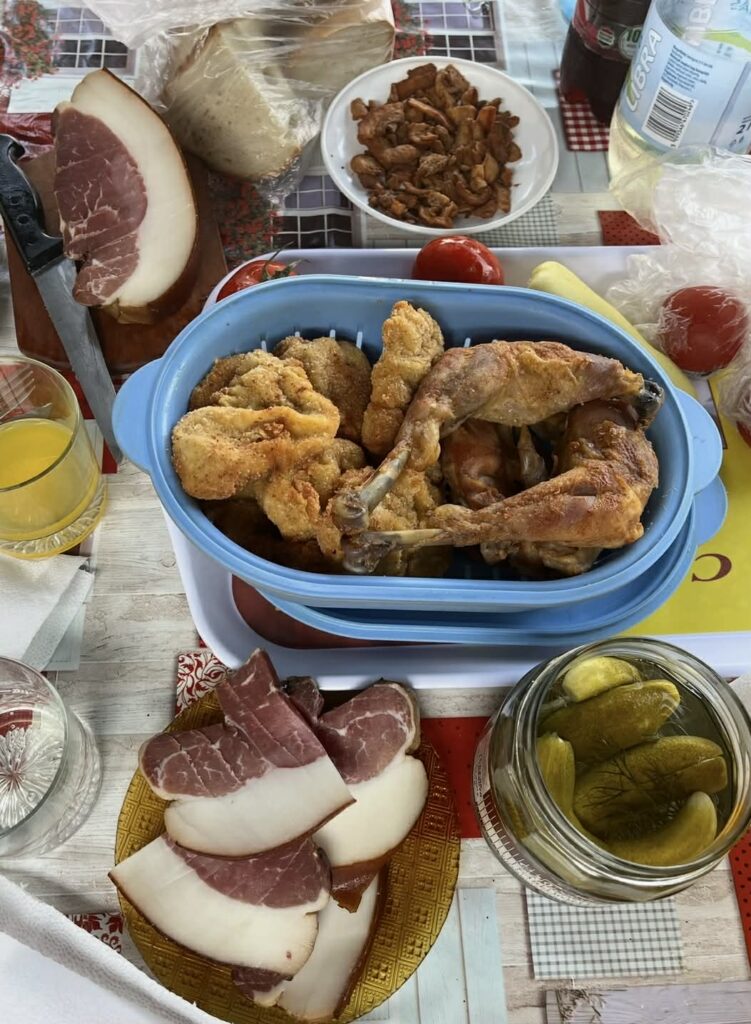
Food is deeply tied to heritage in Hungarian culture. Many families still cook traditional recipes passed down through generations. Homemade pickles, jams, and preserved vegetables are common.
Paprika, one of Hungary’s most famous ingredients, is often dried and prepared at home. Also there is a Paprika Paste which is often used. This tradition reminds us that cooking can be more than just a task. Preparing food from scratch and sharing it with others creates a sense of continuity and care.
6. A Spirit of Resilience
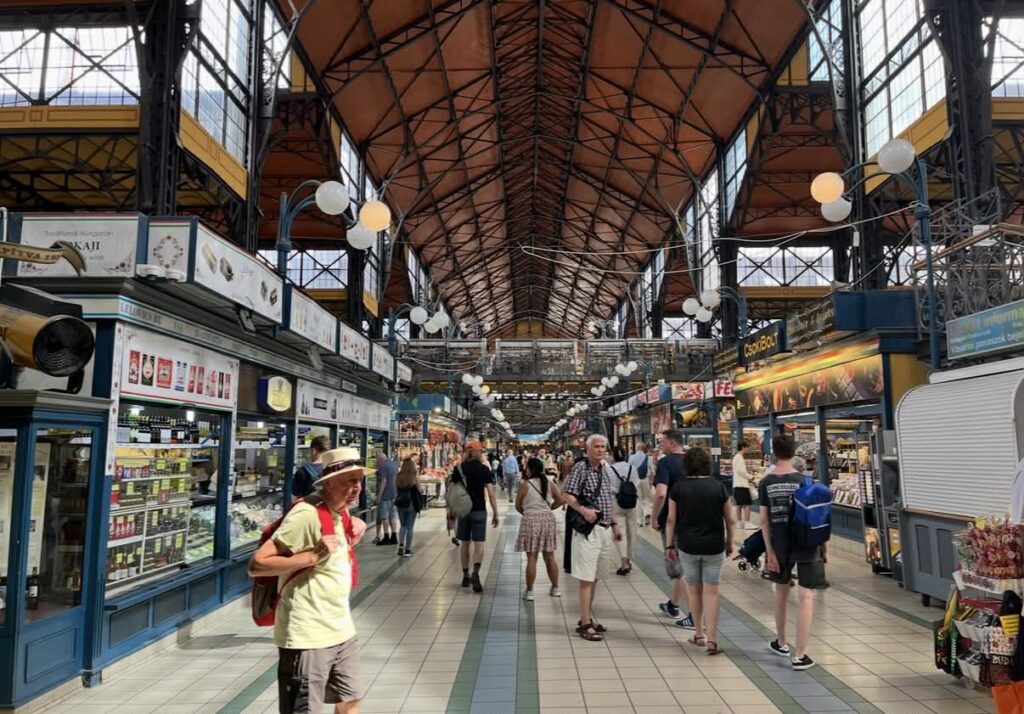
Hungary has experienced many difficult periods throughout its history. As a result, Hungarian culture developed a distinctive blend of realism, resilience, and humor. People often approach life with a practical attitude: difficulties are part of life, but there is always room for good food, laughter, and community. Adopting this mindset can help bring balance. Accepting that life has challenges while still making space for joy and connection can be a powerful perspective.
Bringing a Little Hungarian Wisdom Into Everyday Life
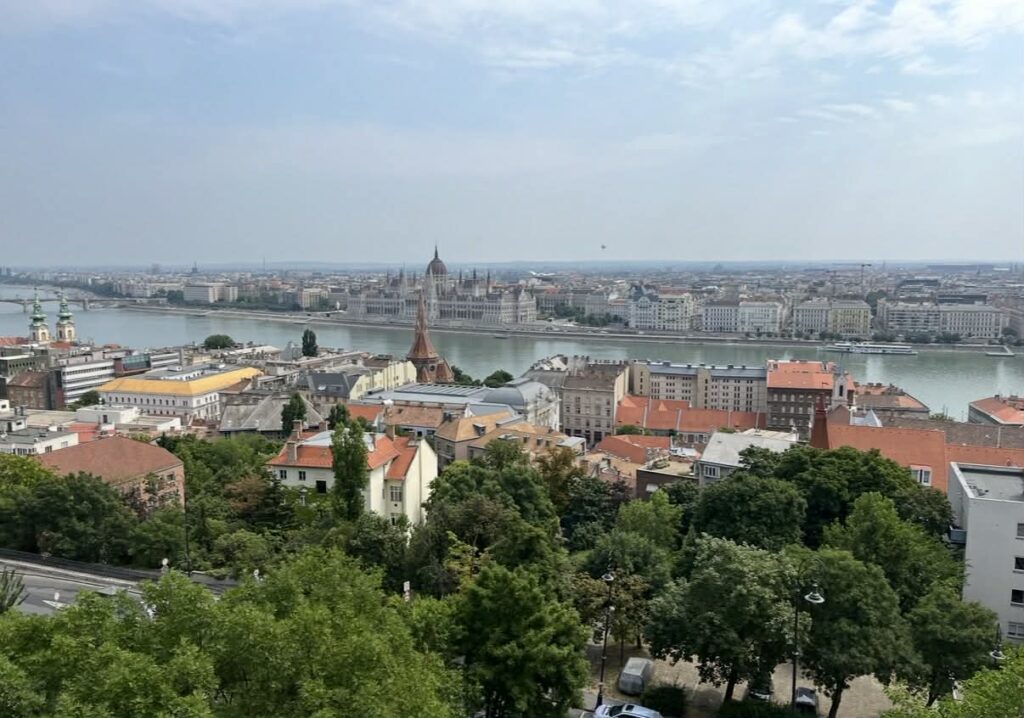
These are glimpses into how Hungarians live. Can we adapt some of these 6 traditions? You don’t need to live in Hungary to enjoy the benefits.
Simple changes can bring the same spirit into everyday routines. Slow down during meals. Spend more time outdoors. Make space for relaxation. Enjoy coffee without rushing. Cook and share food with care. Sometimes the most meaningful lifestyle changes come not from trends, but from traditions that have quietly supported well-being for generations.
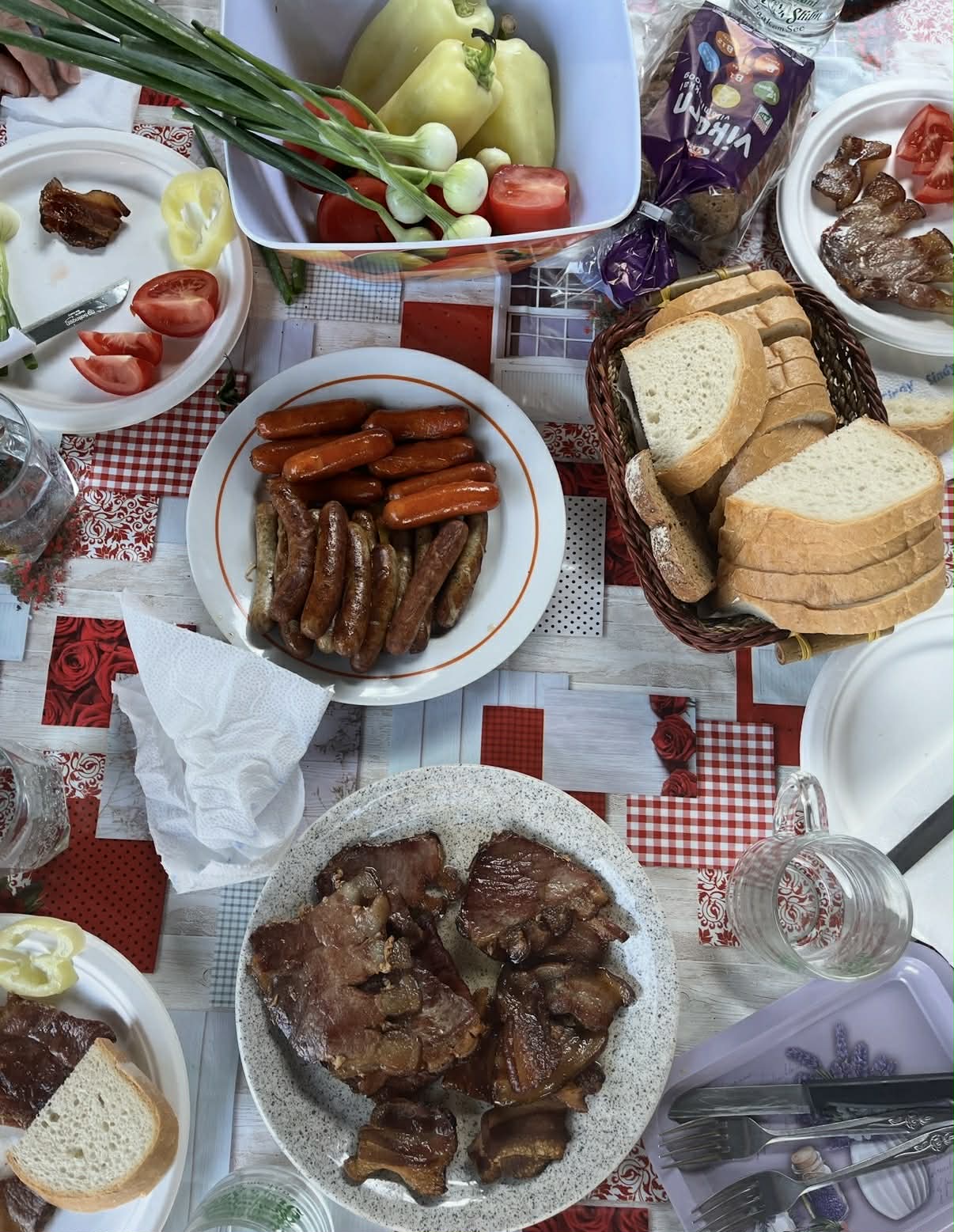
Hungarian culture reminds us that a rich life is often built from simple moments — shared meals, long conversations, and time to breathe.
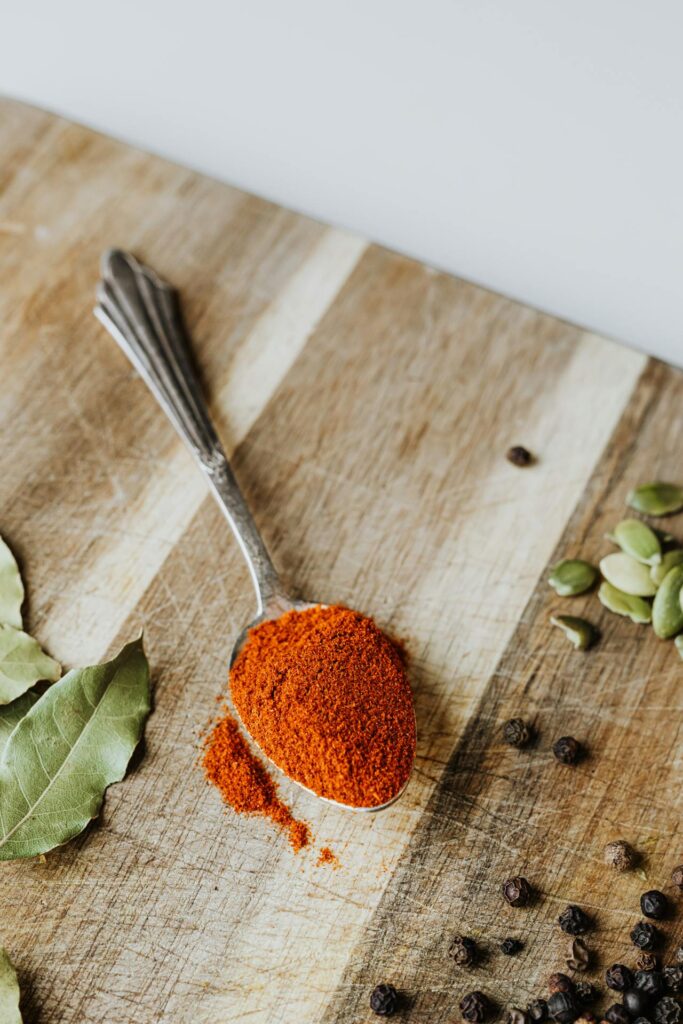
The Different Types of Hungarian Paprika Powder
One of the more famous dishes of Hungary is the Chicken Paprikas made with Nokedli – A Home Made Noodle.
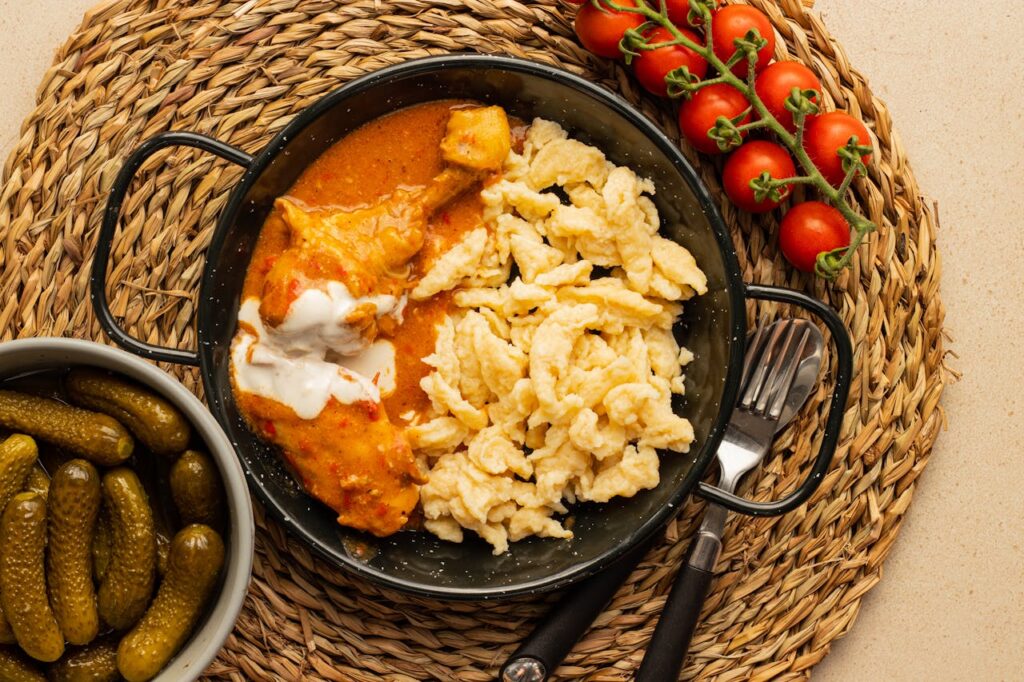
The Hungarian home made Nokedli noodles are made with a particular strainer that you press the dough through into a boiling pot of salted water.
It is also known as Spaetzle noodles in Germany
Affiliate Disclaimer: This post may contain affiliate links, which means I may earn a small commission at no extra cost to you if you make a purchase through these links.