

When it comes to hydration and wellness, salt and electrolytes are often mentioned interchangeably, but are they really the same thing? And more importantly, which one is the smarter choice for your health and lifestyle?
I’ve always used electrolytes. Then recently when talking to a friend who swore “Sea salt from the Celtic Sea” was the way to go, I started researching the topic. I was blown away with all the information. And there I was, more confused than ever. What else could I do, but I dive in to find out what was the right answer for me.
I found that it’s depends on you, your body, your activity level, and your daily habits. So let’s break it down in a simple, practical way so you can make the best decision for yourself.
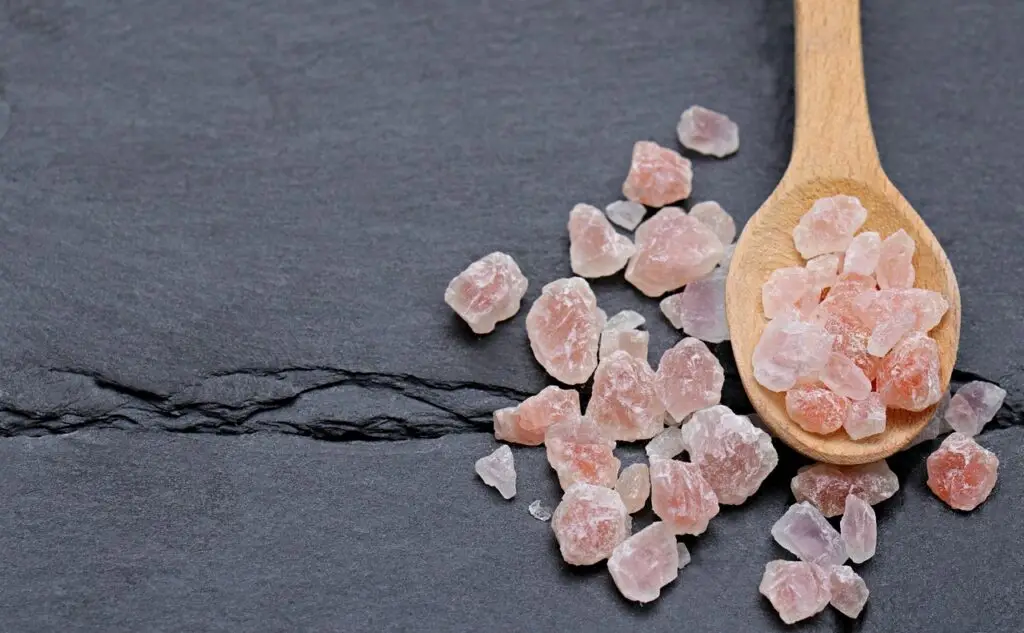
What Is Salt?
Salt is primarily made up of sodium chloride. Sodium is an essential mineral that helps:
- Maintain fluid balance
- Support nerve signals
- Regulate muscle contractions
Salt is naturally present in many foods, especially processed and packaged items. For most people, daily sodium needs are already met—or exceeded—through their regular diet.
When salt alone may be enough:
- Light daily activity
- Short walks or casual workouts
- Normal sweating
- Balanced meals with whole foods
In these situations, plain water and a regular diet usually provide enough sodium.
What Are Electrolytes?
Electrolytes are charged minerals that help your body function properly. They include:
- Potassium
- Magnesium
- Calcium
- Chloride
- Sodium
Electrolytes play a critical role in:
- Hydration and fluid absorption
- Muscle function and recovery
- Preventing cramps and fatigue
- Supporting heart and nerve function
Unlike salt alone, electrolyte blends provide a balance of minerals, not just sodium.
When Electrolytes Are the Smarter Choice
Electrolytes are especially beneficial if you:
- Exercise intensely or for long periods
- Sweat heavily
- Travel frequently (especially flying)
- Follow a low-carb or whole-food diet
- Experience headaches, cramps, or fatigue
- Spend time in hot or dry climates
In these cases, water alone—or water with salt—may not be enough to properly rehydrate your body.
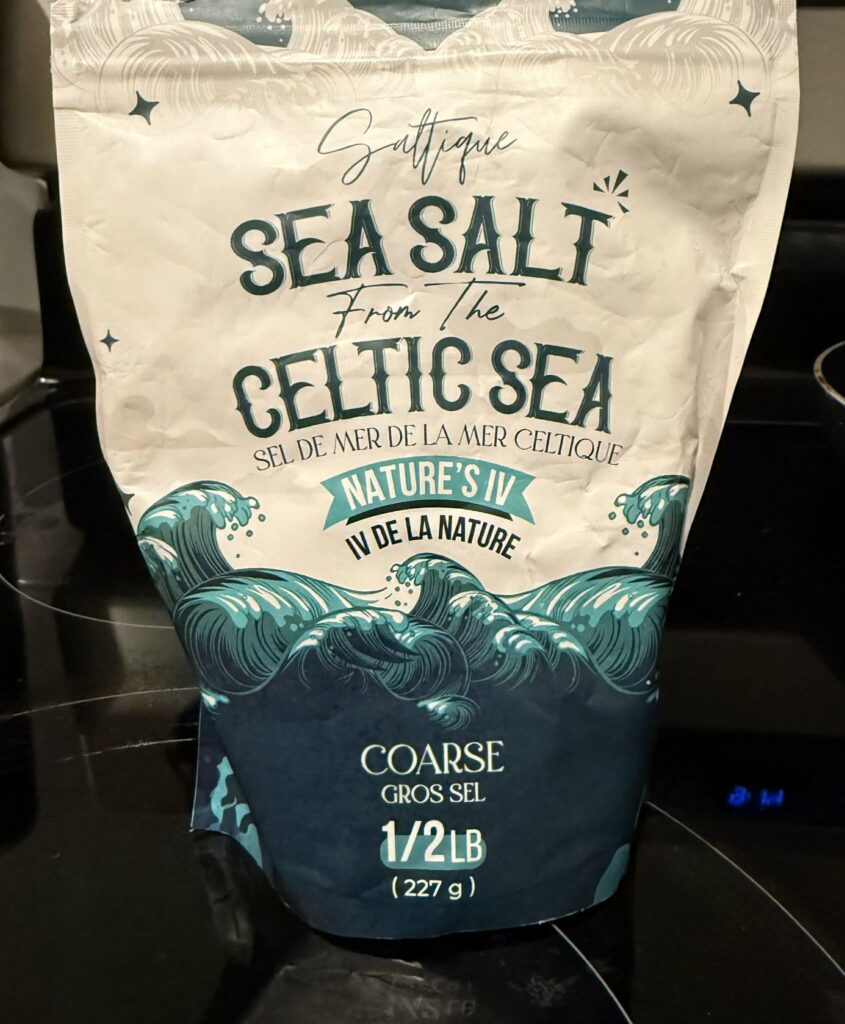
When Salt Might Be Enough
Salt can be sufficient if you:
- Have low activity levels
- Eat a varied, balanced diet
- Don’t sweat excessively
- Are simply hydrating throughout a normal day
However, adding more salt than your body needs can lead to bloating, water retention, and increased blood pressure—which is why balance matters.

Watch Out for Hidden Sugars
Not all electrolyte products are created equal. Many store-bought sports drinks contain:
- Added sugars
- Artificial colours or flavours
- Unnecessary calories
Look for clean electrolyte options with:
- Minimal or no added sugar
- Clear labeling of minerals
- Simple ingredient lists

So… Which Is the Smarter Choice?
The answer is Electrolytes are generally the smarter choice if you want:
- Better hydration
- Improved energy
- Muscle and nerve support
- Faster recovery
Of course, Salt has its place, but electrolytes offer a more complete and effective solution, especially for active, busy, or travel-filled lifestyles.
Final Thoughts
Hydration isn’t just about drinking more water—it’s about helping your body use that water effectively. Paying attention to what you add to your water can make a noticeable difference in how you feel every day.
Listen to your body, stay balanced, and choose hydration that truly supports your life.
Affiliate Disclaimer: This post may contain affiliate links, which means I may earn a small commission at no extra cost to you if you make a purchase through these links.