
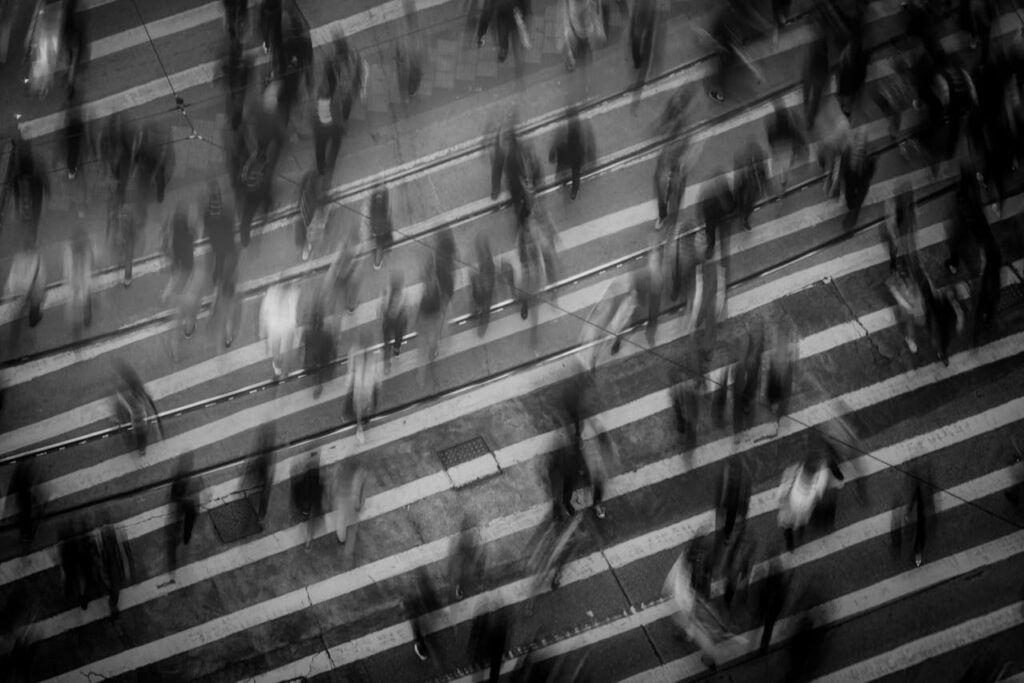
The art of slow living in a fast world.
In today’s always-on culture, everything moves at lightning speed. Notifications buzz. Deadlines loom. Social media scrolls endlessly. We’re told that productivity equals success and that busy equals important. But what if the real secret to a meaningful life isn’t doing more — it’s doing less, with intention?
Welcome to the art of slow living in a fast world — a lifestyle choice that prioritizes presence, purpose, and peace over pressure and pace.
What Is Slow Living?
Slow living is not about laziness or falling behind. It’s about being intentional with your time and energy. It means choosing quality over quantity, depth over distraction, and meaning over mindless motion.
The concept gained global attention with the Slow Movement, which began in the 1980s in Italy as a response to fast food culture. The founding of Slow Food sparked a broader conversation about slowing down all aspects of life — from meals to travel to work.
Today, slow living is a mindset. It’s about aligning your daily habits with your values.
Why We Feel So Rushed

We live in a hyper-connected world. Technology, while incredibly helpful, has blurred the boundaries between work and rest. Emails follow us home. News updates never stop. Comparison is constant.
Social platforms like Instagram and TikTok reward speed and constant content creation. The result? A culture that glorifies hustle and leaves little room for stillness.
No wonder burnout is becoming the norm.
Here are some powerful benefits:

Try to reduce stress as much as possible. When you stop rushing, your nervous system can finally rest. Slowing down lowers cortisol levels and improves overall well-being.
Having a greater presence. You begin to notice small joys — your morning coffee, a walk in nature, a real conversation without distractions.
Focusing on better health. Cooking at home, sleeping well, and taking mindful breaks improve both physical and mental health.
Building stronger relationships. When you’re not constantly multitasking, you truly listen. Slow living nurtures deeper connections.
Practical Ways to Embrace Slow Living
You don’t need to move to the countryside to live slowly. Small daily shifts make a big difference.
Creating a mindful morning routine. Instead of reaching for your phone, start your day quietly. Journal. Stretch. Sip coffee without scrolling.
Think single-task instead of multitask. Focus on one task at a time. You’ll do it better — and faster — without the stress of divided attention.
Schedule some white space. try to leave room in your calendar. Not every hour needs a commitment.
Cook More, Rush Less

Preparing meals at home encourages mindfulness. Try chopping vegetables slowly, noticing textures and smells.
Spend time outdoors. Nature naturally slows us down. A simple walk can reset your pace and perspective.
Slow Living and the Mediterranean Lifestyle
If you’ve ever admired the relaxed rhythm of life in coastal Europe, you’ve already seen slow living in action. In places like Greece and Italy, daily life often revolves around family meals, afternoon breaks, outdoor gatherings, and meaningful conversation.
The Mediterranean lifestyle isn’t just about food — it’s about community, purpose, and savoring life’s simple pleasures. I’ve written about the Mediterranean “Change” in another more in-depth article. Have a read.
Letting Go of “Busy” as a Badge of Honor
One of the hardest parts of slow living is resisting societal pressure. We often equate busyness with worth. But constantly being busy doesn’t necessarily mean being fulfilled.

Ask yourself:
- What truly matters to me?
- Where am I rushing unnecessarily?
- What could I simplify?
Slow living invites us to design a life that feels spacious rather than suffocating.
The Art Is in the Intention
Slow living is not about perfection. Some seasons of life will naturally move faster than others. The goal isn’t to eliminate ambition or productivity — it’s to pursue them with clarity and calm.
In a fast world, choosing to slow down is a quiet act of rebellion. It’s a commitment to live deliberately, to savor moments, and to protect your peace.
Because in the end, a meaningful life isn’t measured by how much you accomplished — but by how deeply you experienced it.
Affiliate Disclaimer: This post may contain affiliate links, which means I may earn a small commission at no extra cost to you if you make a purchase through these links.